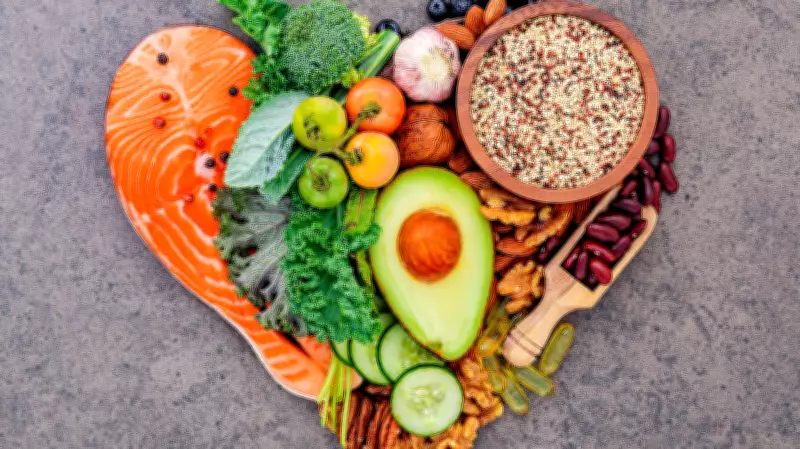
Because they understand the critical importance of cardiovascular wellness, cardiologists prioritize consuming nutrient-rich foods in their own diets and actively encourage their patients to adopt similar habits. During your next medical appointment, consider asking your physician: "What food do you personally eat frequently that you would recommend I incorporate more of?" Given their expertise and busy schedules, you will likely receive suggestions that are readily available, straightforward to prepare, and delightfully tasty. Here are five top recommendations from leading heart health experts, all perfect for your upcoming grocery list.
1. A Handful of Nuts
The American Heart Association advocates for consuming a variety of unsalted nuts and seeds, aiming for four to six servings weekly—equivalent to a small handful of nuts or two tablespoons of nut butter. Cardiovascular specialists recognize that nuts can effectively lower "bad" LDL cholesterol, reduce systemic inflammation, and decrease the risk of developing heart disease. While most nuts offer health advantages, the experts we consulted highlighted specific favorites.
Almonds are the premier choice for Dr. Monika Sanghavi, a cardiologist and director of women's cardiovascular health at Pennsylvania Hospital, who also serves as an associate professor of Clinical Medicine at the University of Pennsylvania. "They're a superfood for the heart," she emphasized. "Almonds reduce bad cholesterol and improve good HDL cholesterol, enhance blood vessel function, decrease inflammation, lower blood sugar levels, improve insulin resistance, and can help regulate blood pressure when consumed consistently." She added that eating almonds about 30 minutes before a meal can increase satiety and prevent blood sugar spikes, making them particularly beneficial for individuals with prediabetes or diabetes.

Simona Campa-Cochrane, a doctor of nursing practice and cardiology nurse practitioner at Insight Heart Health in Dallas, frequently recommends walnuts to her patients. "They're among the most evidence-supported heart-healthy foods available," she stated. Walnuts are rich in unsaturated fats, dietary fiber, plant sterols, and bioactive compounds. "I enjoy adding them to oatmeal or yogurt, sprinkling them over salads, or snacking on them instead of chips," she shared.
2. Berries, Fresh or Frozen
Sweet, juicy berries are a delicious and heart-protective dietary addition, according to Dr. Romit Bhattacharya, a preventive cardiologist with the Mass General Brigham Heart & Vascular Institute. "Berries are the number one food I suggest my patients eat regularly," he said, noting their high fiber content, phytonutrients, and antioxidants help slow vascular aging and improve blood circulation. "Dose yourself with berries daily, similar to how we take medications," he advised.
Campa-Cochrane also praises berries, stating, "Berries are associated with better vascular function and cardiometabolic health. They're also a naturally sweet option without added sugars." Bhattacharya personally enjoys blueberries with Greek yogurt or cottage cheese. "It's my default meal, especially when I'm in a hurry," he mentioned. He further noted that frozen berries are just as nutritious as fresh ones and often retain more nutrients since they are typically harvested at peak freshness.
3. High-Fiber Foods
Foods rich in dietary fiber provide numerous health benefits, including substantial support for cardiovascular health, explained cardiologist Dr. Olufolahan Carrena of Houston Methodist DeBakey Cardiology Associates. The Food and Drug Administration recommends consuming up to 28 grams of dietary fiber per day. Adequate fiber intake can lower LDL cholesterol by 5 to 10% as part of a comprehensive heart health plan that may include medication, she highlighted. Additionally, Carrena pointed out that high-fiber diets help regulate blood glucose levels and improve digestive health.

Increasing fiber in your diet is simple, she suggested: "Add fruit to your breakfast or include a side salad, beans, or lentils with lunch or dinner. Other easy steps are switching to whole-grain bread and choosing brown rice or quinoa instead of white rice." For those new to higher fiber consumption, she offered practical advice: "Ensure you stay well-hydrated and introduce fiber gradually to avoid bloating."
4. Dark Leafy Greens
Dr. Anum Saeed, an assistant professor of medicine at the University of Pittsburgh School of Medicine and a cardiologist and lipidologist at the UPMC Heart and Vascular Institute, strongly advocates for incorporating ample greens into meals. "Dark green leafy vegetables—such as spinach, kale, and arugula—provide fiber and antioxidants, which promote cardiovascular health by lowering cholesterol and enhancing blood flow," she explained. For busy individuals, practical options include pairing a small salad with heart-healthy nuts or using greens as a central component of main dishes, perhaps sautéed with other vegetables.
5. Salmon
Dr. Saeed is also an enthusiastic proponent of salmon. "It's rich in DHA and EPA, delivering beneficial omega-3 fatty acids that help combat inflammation and improve cholesterol profiles," she said. "Always opt for responsibly sourced fish from brands that monitor mercury levels to ensure safety."
Keeping the Bigger Picture in Mind
While all these foods are nourishing and delicious, it is essential to view them as components within a broader framework of overall health. Campa-Cochrane remarked, "No single 'superfood' can replace an overall healthy dietary pattern." She advises her patients to follow a Mediterranean-style eating plan, similar to those observed in long-lived populations like the Blue Zones, combined with regular physical activity, sufficient sleep, and effective stress management as a holistic lifestyle approach for prevention.
As always, consult your personal healthcare provider before making significant dietary changes. Dr. Saeed concluded, "These foods are recommended by cardiovascular experts and reputable organizations, but I also encourage asking more specific questions tailored to your medical history during your next doctor's visit."