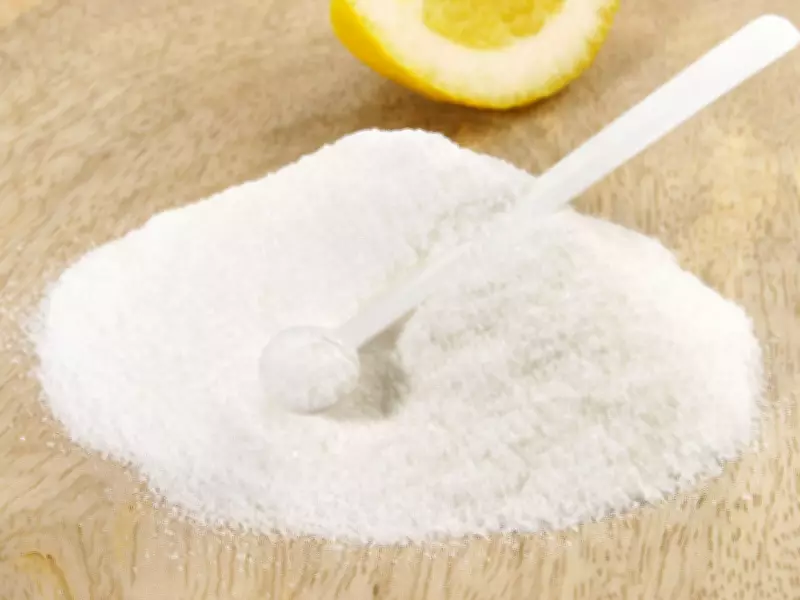
A recent investigation has uncovered a concerning link between common preservatives found in many processed foods and an increased risk of high blood pressure and heart attacks. The study, published in a leading medical journal, analyzed data from thousands of participants over several years, finding that those with higher intake of certain preservatives had significantly elevated blood pressure and a greater incidence of cardiovascular events.
Key Findings
Researchers focused on preservatives such as sodium nitrite and potassium sorbate, which are widely used to extend shelf life and maintain color in meats, cheeses, and baked goods. The study found that individuals consuming the highest levels of these additives had a 20% higher risk of developing hypertension and a 15% higher risk of heart attack compared to those with the lowest intake.
Mechanisms Behind the Link
Experts suggest that these preservatives may contribute to vascular damage by promoting inflammation and oxidative stress. Additionally, they can interfere with the body's natural regulation of blood pressure by affecting the renin-angiotensin system. Dr. Sarah Mitchell, a cardiologist at the University of Toronto, noted: "While the exact mechanisms are still being studied, it's clear that these additives have a measurable impact on cardiovascular health."

Public Health Implications
The findings have prompted calls for stricter regulations on preservative use in food products. Public health advocates are urging consumers to read labels carefully and opt for fresh or minimally processed alternatives. The Canadian Heart and Stroke Foundation has updated its dietary guidelines to recommend limiting intake of processed foods containing these preservatives.
Industry Response
Food industry representatives argue that preservatives are essential for food safety and preventing spoilage. They emphasize that the study shows an association, not causation, and that more research is needed before making policy changes. However, some manufacturers are already reformulating products to reduce or eliminate these additives in response to consumer demand.
What Consumers Can Do
To reduce exposure, experts recommend choosing fresh fruits and vegetables, whole grains, and lean proteins. When buying packaged foods, look for items labeled "no added preservatives" or "nitrate-free." Cooking at home from scratch can also help control ingredient intake. The study's lead author, Dr. James Liu, advises: "Small changes in diet can make a big difference in long-term heart health."