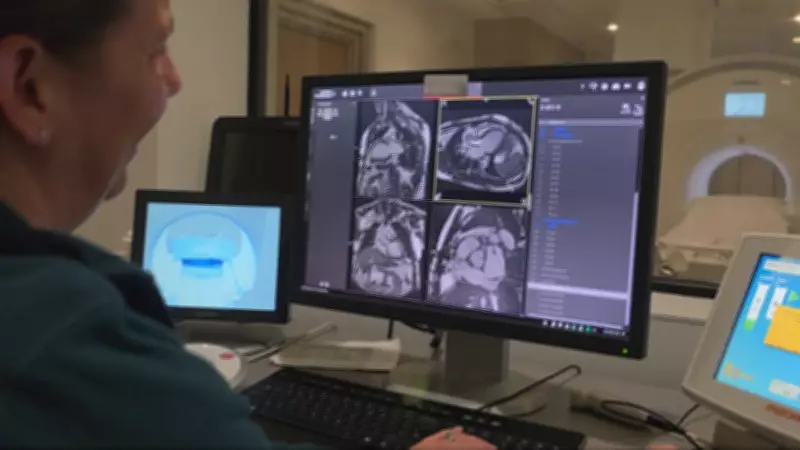
Ottawa Heart Institute Pioneers Integrated Approach to Cardiovascular and Mental Wellness
The University of Ottawa Heart Institute has unveiled a transformative set of medical guidelines designed to address heart, brain, and mental health issues in a unified manner, rather than treating them as isolated conditions. This innovative framework represents a significant departure from conventional healthcare practices, which often compartmentalize these interconnected aspects of patient well-being.
A Holistic Strategy for Comprehensive Patient Care
Released in late March 2026, the guidelines emphasize the critical links between cardiovascular health, neurological function, and psychological state. Research has consistently shown that conditions like depression, anxiety, and chronic stress can exacerbate heart disease, while cardiovascular problems frequently contribute to cognitive decline and mental health challenges. By adopting an integrated treatment model, healthcare providers can develop more effective, personalized care plans that address the root causes of these intertwined issues.
The development of these guidelines involved extensive collaboration among cardiologists, neurologists, psychiatrists, and primary care physicians. This multidisciplinary effort ensures that the recommendations are evidence-based and practical for implementation across various healthcare settings. The institute's initiative aims to reduce fragmented care, improve patient outcomes, and lower healthcare costs by preventing the escalation of comorbid conditions.

Key Components of the New Guidelines
The guidelines outline several core principles for integrated care:
- Screening and Assessment: Routine screening for mental health and cognitive issues in patients with heart conditions, and vice versa.
- Coordinated Treatment Plans: Developing unified care strategies that simultaneously address cardiovascular, neurological, and psychological health.
- Patient Education: Empowering patients with knowledge about the connections between their heart, brain, and mental well-being.
- Follow-up and Monitoring: Implementing regular check-ins to adjust treatments based on holistic progress.
This approach is particularly timely, as the prevalence of chronic diseases and mental health disorders continues to rise globally. The Ottawa Heart Institute's guidelines could serve as a model for other medical institutions seeking to enhance patient care through integration.
Implications for Future Healthcare Practices
The introduction of these guidelines is expected to influence medical training, policy-making, and clinical protocols. By fostering a more collaborative environment among specialists, the healthcare system can better support patients who often navigate multiple health challenges simultaneously. This shift towards integrated care underscores the importance of viewing health as a multifaceted continuum rather than a series of separate ailments.
As healthcare evolves, initiatives like this highlight the growing recognition that effective treatment must consider the whole person. The Ottawa Heart Institute's pioneering work sets a new standard for compassionate, comprehensive medical care that prioritizes both physical and mental wellness.