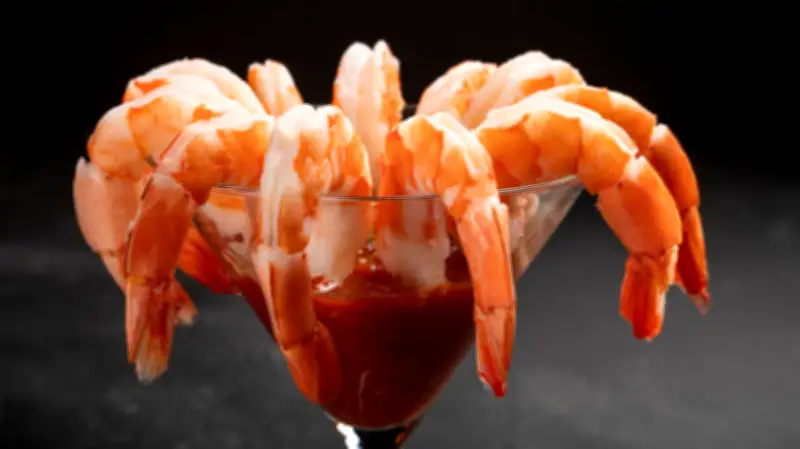
Shrimp cocktail at a wedding reception, shrimp scampi on a dinner date, fried shrimp at a restaurant by the beach: It's all fun and games until someone points out how much cholesterol is in all that shrimp you're eating.
Keeping that in mind, is it possible to eat too much? How much shrimp is too much shrimp? After all, it has both health benefits and concerns — some of which not everyone is aware of. Plus, some people need to be more mindful of their shrimp intake than others due to their health profile, and they might want to consider other foods instead.
The Health Benefits Of Shrimp
There's no doubt about it: Shrimp is a nutritious food.

“From a macronutrient perspective, shrimp is a winner,” said Janelle Connell, a registered dietitian nutritionist (RDN) and senior translational science nutritionist at Viome. She noted that it's high in protein, low in fat and calories, naturally contains thyroid-supporting minerals such as selenium and iodine, provides vitamin B12 and phosphorus, and has one of the lowest levels of mercury among all types of seafood.
Heewon L. Gray, RDN, an associate professor of nutrition and dietetics at the University of South Florida, mentioned additional micronutrients in shrimp, such as omega-3 fatty acids and the antioxidant astaxanthin. “These nutrients support overall immune and brain health and may contribute to weight management as part of a balanced diet,” she said.
The Concerns With Eating Too Much Shrimp
The main concern dietitians have with shrimp is their effect on cholesterol levels. “A three-ounce serving contains about 170 mg of cholesterol, roughly half the suggested 300 mg daily limit,” Connell said. But there's nuance, she continued, in that dietary cholesterol has a more complex relationship with blood cholesterol than once believed. “For most people, saturated fat (of which shrimp has very little) has a greater impact on LDL cholesterol than dietary cholesterol does,” Connell explained. “That said, about 25 to 30% of people are considered 'hyper-responders,' and their blood cholesterol is more sensitive to what they eat. For them, moderating shrimp intake may matter more.”
Gray also noted that “current research suggests that dietary cholesterol has less effects on blood LDL (bad) cholesterol levels for most people.” Again, it depends on your body's sensitivity to dietary cholesterol. According to Gray, most people are unlikely to experience adverse blood cholesterol effects.
Other concerns the dietitians listed include: Shrimp have purines, so people with gout, hyperuricemia, uric acid kidney stones or a tendency to produce higher uric acid in the gut microbiome may want to limit their consumption. It's a source of choline, which can be metabolized into TMA (trimethylamine) and converted into TMAO (trimethylamine N-oxide), a compound associated with increased cardiovascular risk. Shrimp contains sodium bisulfite, which some people are sensitive to, and which may worsen asthma symptoms.
Signs You're Eating Too Much Shrimp
There aren't traditional signs of shrimp overconsumption, according to Connell. With that said, if you experience sudden, intense joint pain or notice your joints have become swollen, red or warm, it's important to limit foods that are high in purines, she added.
Connell and Gray encouraged people to be mindful of any digestive discomfort after eating shrimp — especially an excessive amount — noting symptoms such as bloating, nausea, cramping or diarrhea. If you have a shellfish allergy, shrimp is obviously a no-go, too. Allergy symptoms include respiratory symptoms, hives, swelling and stomach cramps.
How Much Shrimp You Can Safely Eat
Generally speaking, eating two to three servings of shrimp a week is safe, according to these experts and the FDA. More specifically, Gray recommended about eight ounces of shrimp (so 6 to 8 large shrimp or 12 to 15 medium-sized shrimp) per week. “However, it's important to understand your specific biology to know if shrimp is something you should be eating regularly or limiting,” Connell added.
To minimize health risks and address the cholesterol piece, Gray recommended considering your cooking method. The best options, she said, are steaming, boiling, grilling, broiling, baking, roasting and air-frying.

Other Foods With The Same Health Benefits As Shrimp
If you're worried you eat too much shrimp, or want the benefits from a variety of foods, dietitians recommend the following: For protein: chicken breast, cod, low-fat Greek yogurt and egg whites. For selenium: Brazil nuts (limit yourself to three or fewer a day, though), oysters, yellowfin tuna, halibut and sardines. For iodine: most types of seafood, including seaweed (but only a couple of servings a week). For astaxanthin: shellfish, crab, lobster and crawfish. For omega-3 fatty acids: fatty fish, such as salmon, mackerel and sardines.
Ultimately, shrimp (like many foods) is healthier for some and less healthy for others. “Shrimp checks a lot of boxes: low-calorie, high-protein, low-mercury and nutrient-dense,” Connell said. “But the fact that 60% of the people we've tested show a biological signal to reduce or minimize it tells a different story, and it's one that conventional nutrition can't capture.”