Knowing when to call 911 after a storm is crucial for ensuring timely emergency response. Experts advise that 911 should be reserved for life-threatening situations, such as downed power lines, gas leaks, severe injuries, or people trapped in debris.
Emergency Situations Requiring Immediate Call
After a storm, call 911 if you see a downed power line, smell natural gas, witness a fire, or someone is injured or trapped. Also, if you suspect structural damage that could collapse, it is an emergency.
When Not to Call 911
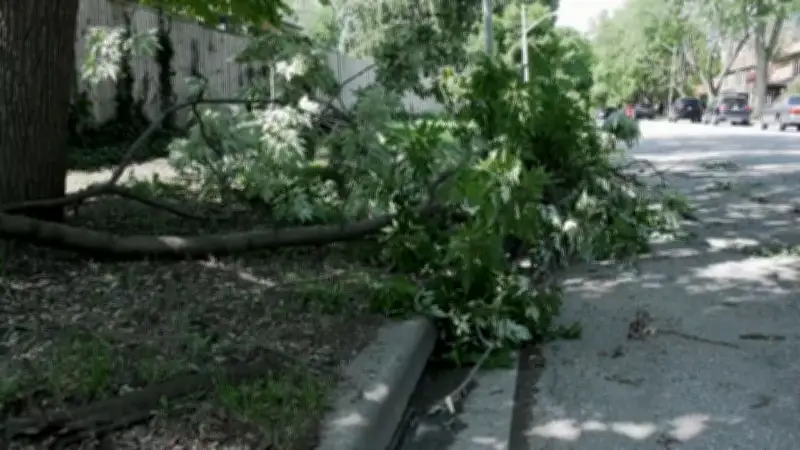
Do not call 911 for non-emergencies like power outages without danger, fallen trees on property without injuries, or general information. Contact your local utility company or municipal services instead.

Preparing for Storm Emergencies
Keep a charged phone, emergency kit, and list of contacts. Know your location to provide accurate information to dispatchers. Stay informed via weather alerts and follow local authority instructions.
Remember, appropriate use of 911 ensures that resources are available for those in critical need. For non-urgent storm damage, report to local authorities through non-emergency channels.