Navigating Over-the-Counter Mouthguards for Teeth Grinding Relief
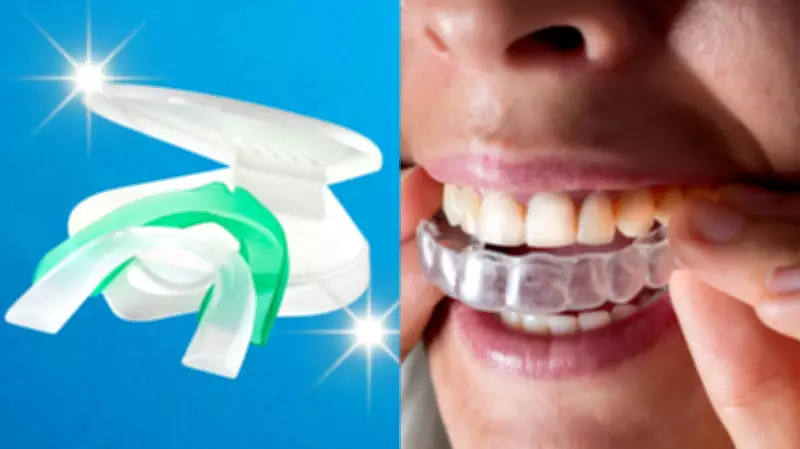
If you frequently wake up with a sore jaw or have received gentle reminders from your dentist about teeth grinding, exploring over-the-counter (OTC) mouthguards could be a practical step to protect your smile and mental well-being. While dental professionals emphasize that OTC options are not substitutes for custom-made nightguards crafted from precise dental impressions, they can serve a valuable temporary purpose. According to experts, these products offer a stopgap solution for individuals experiencing mild to moderate symptoms, but they require careful selection to avoid exacerbating issues like jaw pain or temporomandibular disorders.
Expert Insights on OTC Mouthguard Efficacy
Dr. Anjali Rajpal, a cosmetic dentist and owner of Beverly Hills Dental Arts, advises caution with OTC mouthguards. "As a dentist, I typically do not recommend OTC mouthguards for patients unless they are for very short-term use," she explains. "For those with jaw pain, significant grinding, or sleep issues, an OTC mouthguard may help very temporarily, but a custom nightguard designed by a dentist is the safer long-term option." Dr. Sandip Sachar, a New York City-based dentist and owner of Sachar Dental, adds that while OTC mouthguards can reduce tooth wear from grinding, they are not replacements for professional appliances. He recommends monitoring for symptoms like headaches or gum irritation and seeking dental evaluation if problems persist.
Key Factors to Consider When Shopping
When selecting an OTC mouthguard, Dr. Sachar highlights three critical aspects to ensure effectiveness and comfort:

- Fit: The mouthguard should fit securely without slipping, and you should not need to bite down to keep it in place. Dr. Rajpal notes it should be snug without causing jaw strain, gagging, or breathing interference, with adequate thickness for protection but not excessive bulk.
- Material: Opt for BPA-free, medical-grade materials that provide a stable biting surface. Dr. Sachar warns that overly soft mouthguards can trigger more clenching, worsening jaw pain or TMD symptoms. Firmer layers or bite pads can help reduce clenching instincts and improve comfort.
- Intended Use: Determine if the mouthguard is designed for upper or lower teeth, and use it only as a temporary solution. Dr. Sachar cautions that OTC options are best for short-term protection and should not replace professional dental care.
Top Recommended OTC Mouthguard Products
Based on expert recommendations, here are some notable OTC mouthguards that cater to different needs:

- DenTek Low-Profile Mouthguard: Dr. Sachar praises this BPA-free option for its cushioning and comfort, suitable for light to moderate grinders. It features rear bite pads and an adjustable band, with models available as boil-and-bite or ready-to-wear.
- DenTek Professional-Fit Mouthguard: Dr. Rajpal highlights its boil-and-bite design for better coverage, with a firm bottom layer for protection and a soft top layer for comfort during sleep.
- Plackers Ready-to-Wear Mouthguard: Dr. Sachar appreciates its convenience as a disposable, slim option ideal for travel or occasional use, though Dr. Rajpal notes it may be less durable than boil-and-bite types.
- Oral-B Minty Microwavable Mouthguard: Both experts recommend this for a customizable fit using a microwave, with firmer thermoplastics offering strong protection and a minty fresh feel from Scope.
- Neomen Shock-Absorbing Mouthguard: Dr. Rajpal describes it as thicker and more substantial, providing good shock absorption in a BPA-free design suitable for adults and children.
- The Doctor's Dentist-Designed Mouthguard: This BPA-free, moldable guard uses a two-layer material for flexibility and comfort, designed to last with proper care.
- SmartGuard Front Tooth Mouthguard: A minimalist option that covers only the top front teeth to prevent back teeth contact, offering comfort and up to three years of grinding reduction.
In summary, OTC mouthguards can be a helpful interim solution for teeth grinding, but they require attention to fit, material, and usage guidelines. Consulting with a dentist for persistent symptoms ensures long-term dental health and safety.