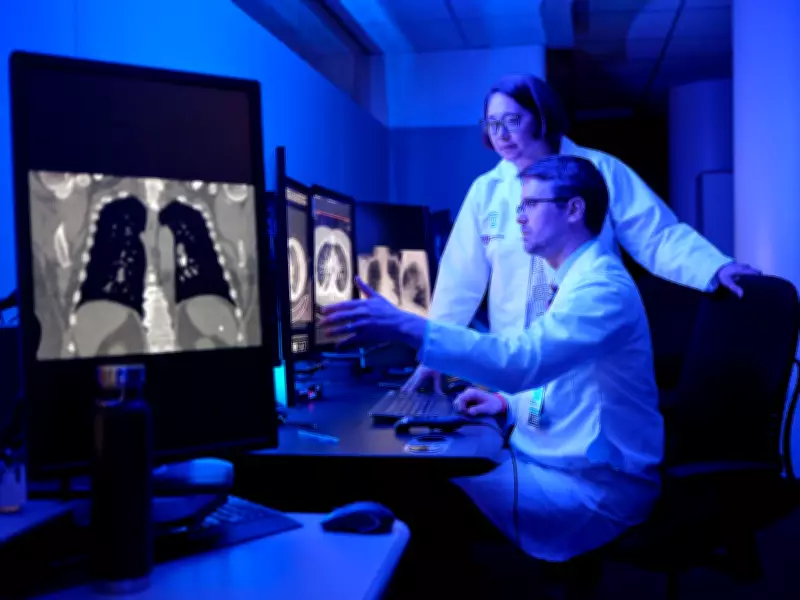
Lung cancer remains one of the most misunderstood diseases, with numerous myths clouding public perception. Dr. Lecia Sequist, along with Dr. Florian Fintelmann at Mass General Brigham Cancer Institute in Boston, is working to dispel these misconceptions. They have developed an innovative AI program that analyzes a single CT scan to generate a risk score, predicting an individual's likelihood of developing lung cancer.
Myth 1: Only Smokers Get Lung Cancer
While smoking is a major risk factor, nonsmokers can also develop lung cancer. Exposure to radon, air pollution, and secondhand smoke contributes to cases in never-smokers. Genetic factors also play a role.
Myth 2: Lung Cancer Is Always Fatal
Early detection significantly improves survival rates. With advances in screening and treatment, many patients live long, healthy lives after diagnosis. The AI tool helps identify high-risk individuals earlier.

Myth 3: Vaping Is Safe
E-cigarettes are not harmless. They contain carcinogens and can damage lung tissue. While potentially less harmful than smoking, they still pose risks for lung cancer and other respiratory diseases.
Myth 4: Lung Cancer Only Affects Older Adults
Although more common in older adults, lung cancer can occur at any age. Cases in younger individuals, especially those with genetic predispositions, are increasingly recognized.
Myth 5: Quitting Smoking Doesn't Help
Quitting smoking reduces lung cancer risk over time. The body begins to repair damage, and the risk decreases significantly after several years of cessation.
Myth 6: Lung Cancer Symptoms Are Obvious
Early-stage lung cancer often has no symptoms. When symptoms like persistent cough, chest pain, or shortness of breath appear, the disease may be advanced. Regular screening is crucial for high-risk groups.
Myth 7: Alternative Cures Work Better Than Medicine
No alternative therapy has been proven to cure lung cancer. Treatments like surgery, radiation, and immunotherapy are evidence-based and offer the best outcomes. Patients should consult medical professionals before trying unproven remedies.
Dr. Sequist emphasizes that education and awareness are key to combating lung cancer. The AI program at Mass General Brigham represents a leap forward in early detection, potentially saving countless lives.