In a deeply personal account, former journalist Don Martin reveals how a clinical trial transformed what was once considered a terminal cancer diagnosis into a story of survival and hope. His journey, which began with a grim prognosis, took a dramatic turn at the Ottawa Cancer Centre, where innovative treatment options offered a lifeline he never expected.
From Death Sentence to Second Chance
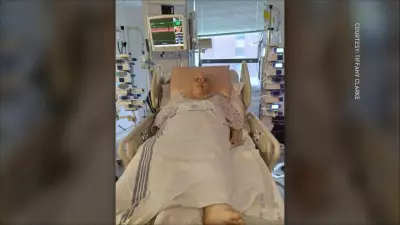
Martin recalls the moment he received what he describes as a "death sentence" from his doctors. Faced with limited conventional treatment options and a poor outlook, he felt overwhelmed by the weight of his diagnosis. However, his medical team presented an alternative: participation in a clinical trial that was testing new therapies for his specific type of cancer.
The Clinical Trial Experience
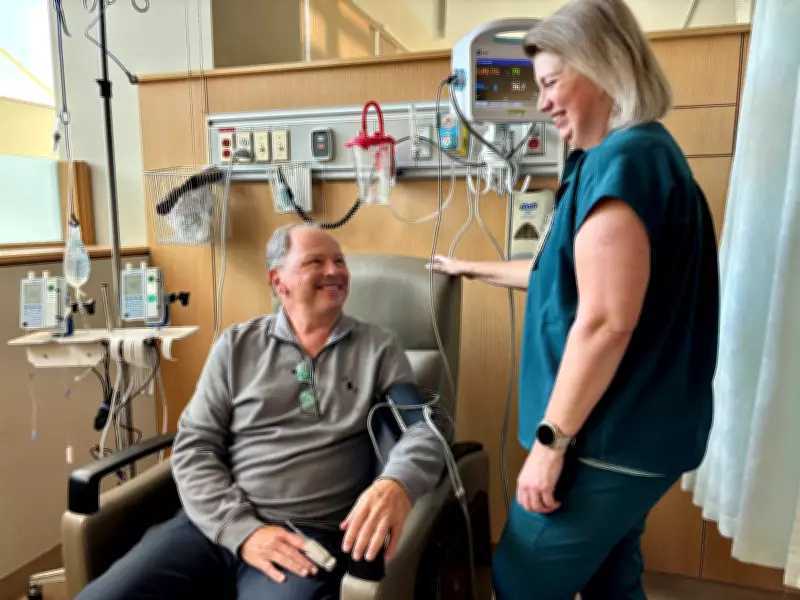
Enrolling in the trial was not a decision made lightly. Martin underwent rigorous screening and consultations to ensure he was a suitable candidate. The process involved detailed explanations of potential risks and benefits, but the possibility of accessing cutting-edge treatment motivated him to proceed. At the Ottawa Cancer Centre, he worked closely with healthcare professionals, including his nurse Liz O'Brien, who provided crucial support throughout his treatment.

The trial itself involved a combination of experimental drugs and protocols designed to target cancer cells more effectively than standard methods. Martin experienced side effects, but regular monitoring and adjustments by the medical team helped manage these challenges. Over time, scans began to show remarkable progress, with tumors shrinking and eventually disappearing.
A New Lease on Life
Today, Martin is in remission, a outcome he attributes directly to the clinical trial. He emphasizes the importance of such research in advancing cancer care, noting that without these studies, many patients would have no alternatives. His story underscores the critical role of clinical trials in developing new treatments that can save lives.
Reflecting on his experience, Martin advocates for increased awareness and funding for cancer research. He believes that more patients should be informed about trial opportunities, as they can offer hope where traditional therapies fall short. His journey serves as a testament to the resilience of the human spirit and the power of medical innovation.
Broader Implications for Cancer Treatment
Martin's case highlights the evolving landscape of oncology, where personalized medicine and clinical trials are becoming integral to patient care. Experts note that trials like the one Martin participated in are essential for testing new hypotheses and improving survival rates. They also stress the need for diverse participation in trials to ensure treatments are effective across different populations.
As cancer research continues to advance, stories like Martin's provide inspiration and evidence of progress. They remind us that even in the face of daunting odds, science and determination can lead to breakthroughs that redefine what is possible in healthcare.