A promising young hockey player lost his life just days after Health Canada finally approved a treatment that might have helped him overcome the cancer that killed him at age 23.
The Tragic Story of Evan Armit
Evan Armit, from Dryden, Ontario, was diagnosed with metastatic melanoma, a dangerous and aggressive form of cancer. His only hope was TIL therapy, a cutting-edge treatment already approved in the United States. Unfortunately, that therapy was still under review in Canada when he needed it.
This is a recurring issue in Canada. It often takes years after drugs are approved in the U.S. for Health Canada to approve them and for them to become reimbursable at the provincial level.

Out-of-Country Coverage Denied
In Ontario, OHIP has an out-of-country coverage program for extraordinary cases when treatment is not available in the province. Armit's family applied twice for funding to get treatment in Boston, costing between $750,000 and $1 million. Both requests were denied because the program does not cover drugs under review for public coverage in Ontario.
TIL therapy offers approximately a 30% remission rate for melanoma patients. For someone in Armit's position, it could have provided a fighting chance. But due to Canada's slow health system and drug approval process, he never got that chance.
Political Involvement
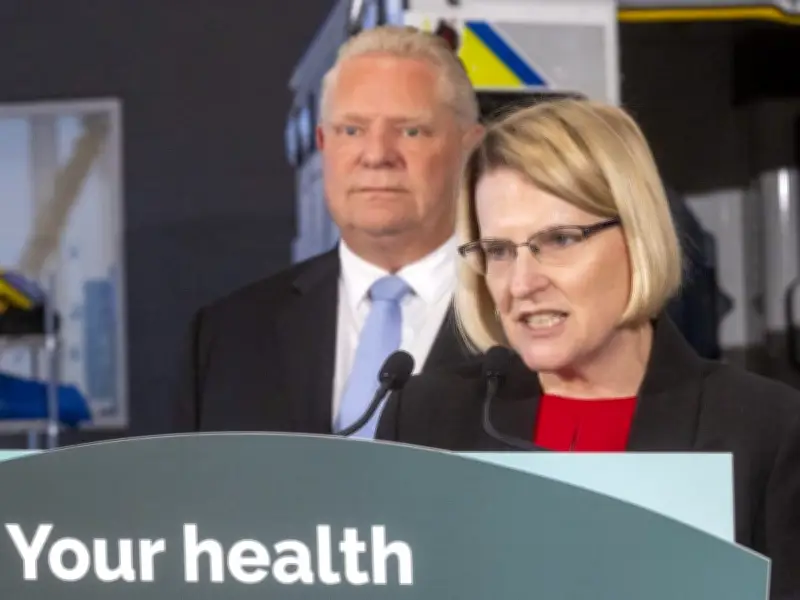
Armit's case became high-profile, drawing in Health Minister Sylvia Jones and Premier Doug Ford. Jones noted that Ontario cannot independently approve drugs without Health Canada authorization. Ford spoke to Armit's father, offering kind words but advising trust in the process. However, Canada's bureaucratic drug approval process failed the Armit family, as it has failed many others.
Flaws in the System
Canada's drug approval process is fundamentally flawed. It should not take months or years longer for Health Canada to approve a drug after it has been approved in peer countries like the U.S. Once Health Canada approves a drug, it should be automatically available in every province. Additional bureaucracies like Canada's Drug Agency should not be necessary.
After Armit's death, his family has advocated for more flexibility in funding out-of-country cancer treatment when time is critical. They are right that such treatments should be covered, but this does not address the core problem.
Once Health Canada approves a drug, it should be available to patients in all provinces immediately. The layers of bureaucracy in our healthcare system add unnecessary roadblocks that patients cannot afford. Canada needs a patient-first approach to drug approvals, not endless bureaucracy.
Stories like Evan Armit's and Jeremy Bray's in Manitoba remind us that Canada's healthcare system must focus on patients, not bureaucracy. It is time for politicians to revamp the system, cut bureaucracy, and genuinely put patients first.