Global Breast Cancer Cases Projected to Surpass 3.5 Million by 2050
A concerning new health report indicates that global breast cancer cases are expected to reach over 3.5 million annually by the year 2050. This projection represents a significant increase from current figures and underscores the growing burden of this disease on healthcare systems worldwide.
Rising Incidence Rates Signal Urgent Need for Action
The forecast, based on comprehensive epidemiological data and population trends, suggests breast cancer will continue to be one of the most prevalent cancers affecting women globally. Researchers point to multiple contributing factors including aging populations, lifestyle changes, and improved detection methods that identify more cases.
"These projections are a wake-up call for global health authorities," explained one public health expert familiar with the data. "We need to accelerate both prevention efforts and treatment accessibility to address this looming crisis."

Implications for Healthcare Systems and Research Priorities
The anticipated surge in breast cancer cases presents substantial challenges for healthcare infrastructure, particularly in regions with limited medical resources. Health economists warn that without strategic planning, many countries may struggle to provide adequate screening, diagnosis, and treatment services for the growing number of patients.
Medical researchers emphasize several critical areas requiring attention:
- Enhanced early detection programs to identify cancers at more treatable stages
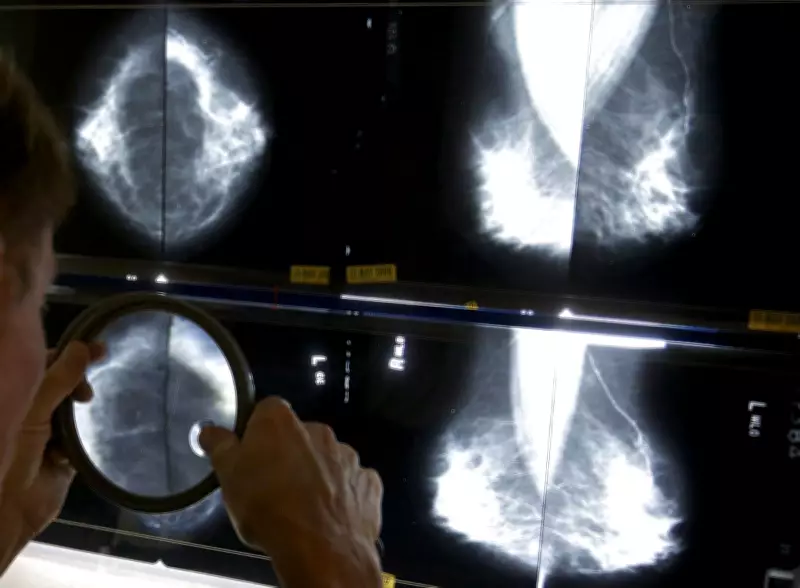
- Expanded access to mammography and other screening technologies in underserved regions
- Increased investment in treatment research to develop more effective therapies
- Public education campaigns about risk factors and prevention strategies
Global Response and Future Outlook
International health organizations are already reviewing these projections to guide policy decisions and resource allocation. The data highlights the importance of sustained funding for cancer research and the development of comprehensive national cancer control plans.
While the numbers are sobering, medical professionals note that many breast cancers are highly treatable when detected early. They stress that with proper planning and investment, healthcare systems can better manage the anticipated increase in cases and improve patient outcomes.
The complete report detailing these projections and their implications is expected to be published in full later this year, providing health authorities with the data needed to formulate effective response strategies.