The World Health Organization is embarking on a groundbreaking mission to bridge the gap between ancient healing practices and modern scientific validation. In a significant move announced in December 2025, the global health body is turning to artificial intelligence to rigorously assess the efficacy of traditional medicines used for centuries across cultures.
Harnessing Technology for Ancient Wisdom
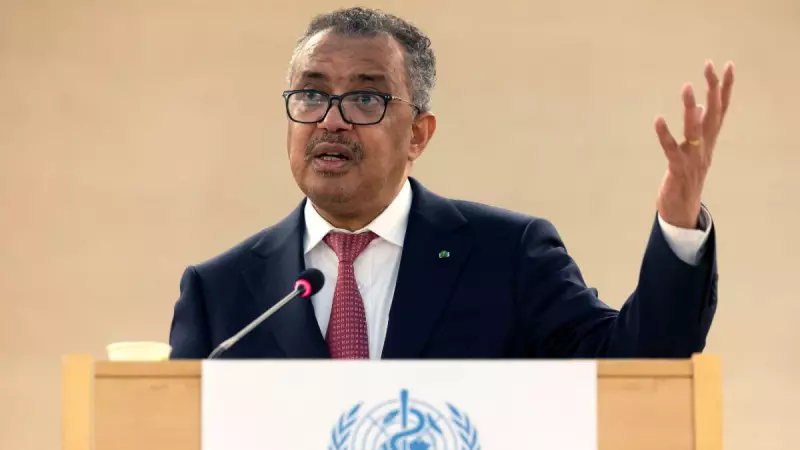
Under the leadership of Director-General Tedros Adhanom Ghebreyesus, the WHO is actively seeking robust, data-driven evidence to support traditional medical remedies. This initiative recognizes the profound historical and cultural role these practices play in global healthcare, particularly in regions where they are a primary source of treatment. The core challenge has been the lack of large-scale, standardized clinical data. This is where AI steps in.
The organization plans to deploy advanced algorithms to sift through millennia of anecdotal evidence, historical texts, and existing but fragmented research. The goal is to identify patterns, potential active compounds, and treatment protocols that warrant further, rigorous scientific investigation. This represents a major shift towards a more inclusive and analytical approach to global health systems.

The Push for Evidence-Based Integration
This effort is not about replacing modern medicine but about creating a credible pathway for integration. For many communities, traditional healers and herbal remedies are the first and most accessible line of defense against illness. The WHO aims to separate folklore from fact, ensuring that practices which are proven safe and effective can be incorporated into broader public health strategies.
The use of AI allows researchers to analyze complex datasets that would be impossible for humans to process manually. This includes cross-referencing traditional pharmacopeias with modern biochemical databases, predicting potential interactions, and prioritizing the most promising remedies for clinical trials. The ultimate objective is to expand the world's arsenal of validated treatments while preserving important cultural knowledge.
A New Chapter for Global Health
The WHO's initiative marks a pivotal moment in the acceptance of traditional medicine on the world stage. By applying the cutting-edge tool of artificial intelligence to ancient cures, the organization is fostering a unique dialogue between the past and the future of healing. This project promises to not only validate beneficial practices but also protect consumers from ineffective or potentially harmful ones by building a clear evidence base.
As this work progresses, it could lead to new, low-cost treatment options and a more holistic understanding of health. The move underscores a growing trend in healthcare: leveraging technology not just for innovation, but also for rediscovery and validation of the world's oldest medical wisdom.