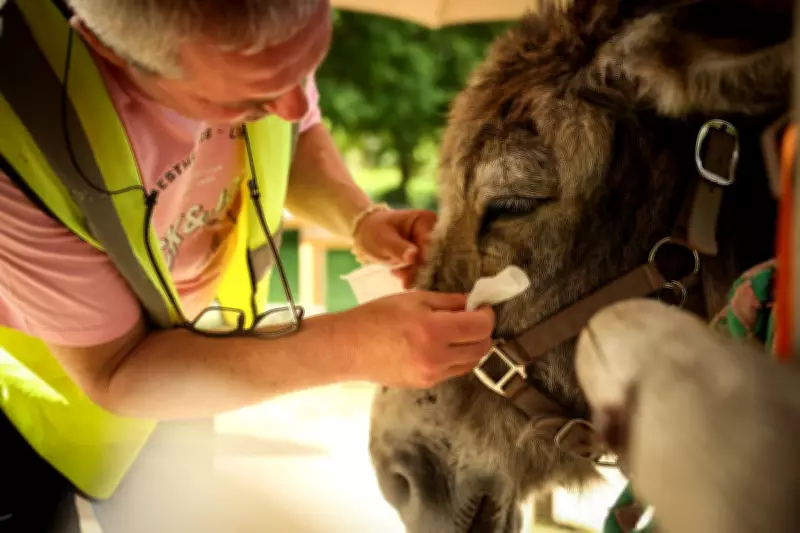
A psychiatric hospital in Neuilly-sur-Marne, in the eastern suburbs of Paris, has introduced therapy donkeys to assist patients with mental health conditions. The program, captured in a recent photo by AP photographer Thomas Padilla, shows a patient gently cleaning a donkey's eyes during a session.
Animal Therapy in Mental Health Care
The initiative is part of a broader trend in animal-assisted therapy, where interactions with animals are used to improve patients' emotional and psychological well-being. Donkeys, known for their calm demeanor and gentle nature, are particularly suited for therapeutic settings.
At the hospital, patients engage in activities such as grooming, feeding, and walking the donkeys. These tasks provide a sense of purpose and routine, which can be beneficial for individuals dealing with depression, anxiety, or other mental health issues.

Benefits of Donkey Therapy
- Reduces stress and anxiety through calming interactions
- Encourages social interaction and communication
- Provides physical activity and routine care responsibilities
- Boosts self-esteem and emotional connection
Staff at the hospital report positive outcomes, with many patients showing improved mood and reduced symptoms after participating in the program. The donkeys, named Lulu and Mimi, have become beloved members of the therapeutic team.
Growing Popularity of Animal-Assisted Therapy
Animal therapy is increasingly recognized as a valuable complement to traditional treatments. While dogs and horses are more common, donkeys offer unique benefits due to their size and temperament. The program in Neuilly-sur-Marne serves as a model for other institutions considering similar approaches.
The hospital plans to expand the program, incorporating more animals and structured activities to meet the diverse needs of its patients. This innovative approach highlights the potential of human-animal bonds in healing and recovery.