Ottawa Forest Therapy: Deep Breathing and Turkey Deterrence in Nature
In the heart of Ottawa's Britannia Conservation Area, a unique form of therapy unfolds amidst the trees, blending mindfulness with unexpected wildlife encounters. Forest therapy, a practice gaining traction in the capital, invites participants to slow down, breathe deeply, and engage all senses in nature's embrace. This immersive experience, rooted in the Japanese tradition of shinrin-yoku or forest bathing, offers a respite from urban life while fostering mental and physical well-being.
A Leisurely Stroll with a Purpose
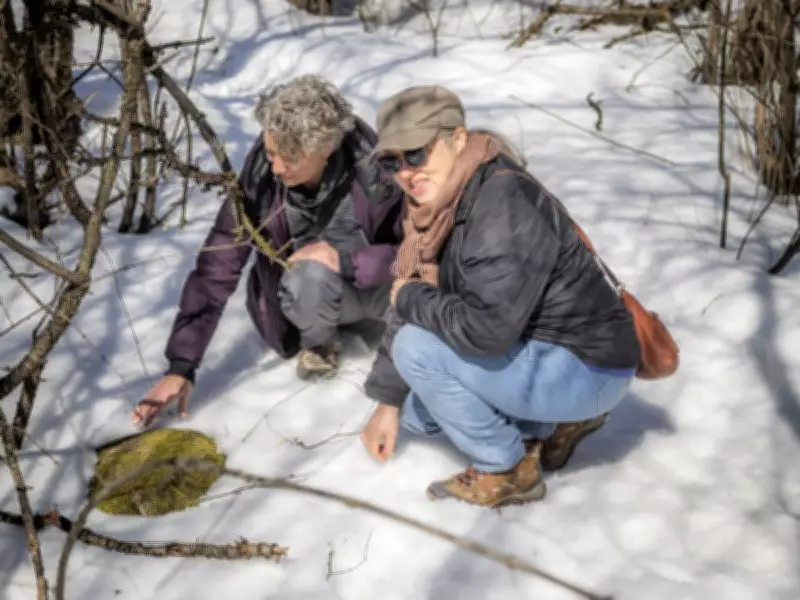
The session began with seven individuals, including a pediatrician and a mental-health professional, gathering on a section of the Mud Lake trail. Led by Andrea Prazmowski, one of Ottawa's first certified forest-therapy practitioners, the group embarked on a leisurely walk with no intention of raising heart rates or enduring physical challenges. Instead, the objective was to tune into the forest environment, focusing on each sense—sight, sound, smell, touch, and taste—to cultivate a deeper connection with nature.
Prazmowski, who earned her certification in 2017 from the U.S.-based Association of Nature and Forest Therapy, has been honing her practice for years. She conducts walks two to four times monthly, depending on the season, in various locations across Ottawa. This early-spring session was timed to avoid distractions from blackflies, mosquitoes, and deer flies, though participants remained vigilant for ticks, which can survive winter dormancy under leaves.

An Unexpected Wildlife Encounter
As the group moved slowly along the path, scanning for movement in the bush, a bobbing head caught their attention. Soon, they came face-to-face with a wild turkey, its hooked beak and beady eyes fixed on the humans. While not one of the aggressive males known to terrorize trail users in recent years, the younger bird posed a momentary standoff.
In a clever display of wildlife deterrence, Prazmowski employed a method she had read about: stuffing her hands into her coat pockets and flapping the coat like large, intimidating wings. The turkey wisely retreated, allowing the group to continue their peaceful stroll through the woods. This incident highlighted the blend of tranquility and unpredictability that defines forest therapy, where mindfulness meets practical outdoor skills.
The Science Behind Forest Therapy
Forest therapy is more than just a walk in the woods; it's backed by scientific research demonstrating numerous health benefits. Studies show that spending time in nature can boost the immune system, lower cortisol levels, reduce stress, and improve overall mental health. The practice encourages participants to breathe deeply, absorbing phytoncides—natural compounds released by trees—which have been linked to enhanced immune function and reduced anxiety.
For many, like the author on their first official foray into forest therapy, the experience reinforces the peace of mind that comes from nature immersion. By engaging senses fully, individuals can disconnect from daily stressors and reconnect with the natural world, fostering a sense of calm and rejuvenation.
Practical Considerations for Participants
To ensure a safe and enjoyable experience, Prazmowski offered practical advice, such as standing on patches of snow instead of leaf-covered ground to minimize tick exposure and tucking pant legs into socks. These reminders underscore the importance of preparation, even in therapeutic settings, especially in Ottawa's tick-prone areas.
As forest therapy continues to grow in popularity, sessions like these in Ottawa's conservation areas provide a valuable opportunity for residents to explore alternative wellness practices. Whether deterring turkeys or simply breathing deeply, the journey into nature offers a holistic approach to health, blending ancient traditions with modern mindfulness techniques.