A Personal Encounter with Medical Quackery
As a cancer survivor, watching Netflix’s new series “Apple Cider Vinegar” felt like a visceral blow. The show powerfully depicts the exhaustion and desperation many cancer patients endure, alongside the seductive promise of abandoning traditional medicine for so-called “natural” cures. It also unveils the dark underbelly of the alternative health industry, where quacks and influencers exploit vulnerable individuals with unwavering confidence, despite a complete lack of peer-reviewed evidence to support their claims.
A Journey into Doubt and Deception
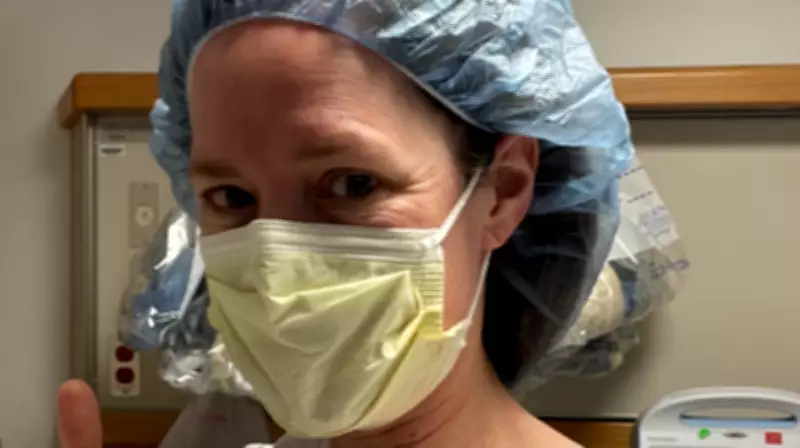
I know this reality intimately because I nearly succumbed to it myself. Diagnosed with early-stage breast cancer in December 2022, I faced delays in surgical consultations due to the holidays, pushing appointments to mid- or late January. Eager to be proactive, I consulted Dr. T, an integrative medical doctor, to explore if supplements could support my health while awaiting treatment. While she supported my surgical plan, she mentioned Dr. D, a holistic practitioner specializing in thermography—a thermal imaging technique mapping breast surface blood flow to identify abnormal heat linked to inflammation or tumors.
What piqued my curiosity was Dr. T’s offhand remark that Dr. D had allegedly “healed” a breast cancer patient without surgery, radiation, or chemotherapy. As a science writer intrigued by holistic approaches, I decided to investigate whether thermography could detect my cancer.

The Illusion of Healing in a Spa-Like Setting
Upon arriving at Dr. D’s office, I was struck by its spa-like ambiance, a stark contrast to the sterile, windowless rooms of conventional medical clinics. The thermogram process involved nine thermal images and a “cold challenge” with icy water to test bodily responses, based on the theory that healthy tissue cools uniformly while cancerous areas resist change, appearing as hot spots.
Despite my fascination, red flags emerged: thermograms lack FDA approval as standalone breast cancer tests, and the technician operating the machine was the doctor’s wife. After a tense 30-minute wait for results, Dr. D called me in, and the encounter took a bizarre turn. He admitted the thermogram failed to detect my cancer, showing only “extra heat” that placed me in a “high-risk” category. Then, he asserted my cancer was caused by “too many COVID vaccines,” dismissing my family history when I noted my mother had the same cancer at the same age.
He insisted, “No, it’s definitely the vaccines,” before pitching Super Mineral Water, a product he sold, claiming it could “detox” my body and potentially cure me. Horrified and embarrassed by his quackery and my own naiveté, I quickly left.
Chilling Realities and the Allure of False Hope
After this experience, I researched online and found stories like Morganne Delian’s, who opted for a thermogram over a mammogram after feeling a breast lump. The practitioner reported only a “mild to moderate risk” of aggressive tissue, but months later, a mammogram and biopsy revealed Stage 3 breast cancer. Such cases underscore the dangers of unproven screening tools and alternative therapies, from coffee enemas and Gerson therapy to black salve, intravenous vitamin C, alkaline diets, homeopathy, and energy healing.
These practices are aggressively marketed by doctors, chiropractors, and clinicians despite lacking scientific validation. Why do people gravitate toward them? Partly, it’s the allure of control in a terrifying moment—a cancer diagnosis strips away agency, making alternative medicine’s illusion of empowerment and personalized care appealing. Quacks offer hope and simplicity without statistics or side effects, which can seem irresistible amid complex, scary treatments.
Embracing Science and Moving Forward
After my diagnosis, one of my best decisions was learning to trust my cancer team and the science guiding them. I abandoned fantasies of a “lovely healing experience,” like the tropical retreat in “Apple Cider Vinegar,” and embraced the reality of hospital walls where my surgeon successfully removed my tumor, leaving me cancer-free.

Now, I follow recommended protocols: annual mammograms and breast MRIs due to high risk and dense breasts, plus daily tamoxifen as a preventive measure for at least five years, as advised by my oncologist. Why? Because she’s the expert—not me. Science saved my life and saves lives daily, yet we live in a perilous era where distrust in regulators and scientific communities grows, while blind faith is placed in politicians and influencers profiting from vulnerability.
“Apple Cider Vinegar” exposes these charismatic deceivers, reminding us why trusting science is more crucial than ever. The question remains: Will we listen?