B.C. Appeal Court Clarifies ICBC's Obligations for Psilocybin Treatment Coverage
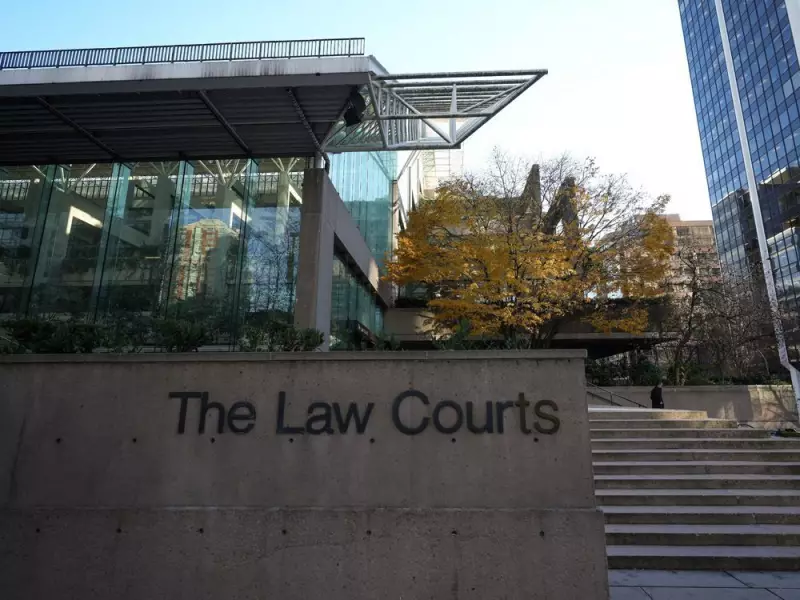
The British Columbia Court of Appeal has issued a significant ruling that modifies a substantial damages award related to a car accident victim's treatment with psilocybin. The court determined that the Insurance Corporation of British Columbia (ICBC) is only required to cover the costs of this alternative treatment if the recipient obtains proper authorization from Health Canada.
Court Overturns Unconditional Award for Alternative Treatment
In a judgment released recently, the Appeal Court found that a trial judge had erred in awarding $35,000 to Shelley Ann Roy-Noel for psilocybin treatments without requiring proof of federal authorization. The original award was part of a larger $1.4 million settlement for injuries sustained when Roy-Noel was struck by a vehicle in 2018.
Justice Geoffrey Gomery, writing for the three-judge panel that included Justices Joyce DeWitt-Van Oosten and Michael Brundrett, emphasized that while the trial judge acknowledged the need for Health Canada approval, the financial award was granted without conditions. This oversight prompted ICBC's appeal and the subsequent judicial review.

Legal Framework for Controlled Substance Treatments
Psilocybin, commonly known as magic mushrooms, remains a controlled substance under Canadian law. Its medical use is strictly regulated, requiring both Health Canada authorization and a physician's prescription. The Appeal Court noted that Roy-Noel had been obtaining the substance from unauthorized sources since late 2018, shortly after her accident.
"The trial judge was aware that authorization would be necessary," stated the judgment, "yet proceeded to order ICBC to provide payment without attaching any conditions to ensure compliance with federal regulations."
Revised Approach to Treatment Funding
Rather than eliminating the psilocybin award entirely or attempting to determine current authorization status, the Appeal Court opted to return the matter to the Supreme Court. The lower court is instructed to include a provision specifying that the $35,000 is payable only upon demonstration of Health Canada authorization.
Justice Gomery explained this decision by noting that "the trial judge is better positioned to assess whether Roy-Noel is likely to obtain the necessary authorization" given the time elapsed since her testimony. Approximately twenty-one months have passed since the original trial, during which authorization status may have changed.
Background of the Case and Injuries
Shelley Ann Roy-Noel, now 45 years old, suffered extensive injuries when a light truck rear-ended her vehicle as she was exiting. Her conditions include:
- Chronic pain in her arm, neck, and head
- Tinnitus and dizziness
- Persistent migraines
- Increased pain sensitivity with diminished coping ability
- Psychological conditions requiring ongoing treatment
The trial judge described Roy-Noel as being "at the young end of middle age" and facing decades of severe, disabling conditions that have destroyed her previously active lifestyle. Roy-Noel testified that psilocybin treatment has been "critical" for her functioning, providing relief from migraines and dark thoughts, though she had not regularly used the substance before her accident.
Implications for Insurance and Alternative Medicine
This ruling establishes important precedent regarding insurance coverage for alternative treatments involving controlled substances. It reinforces that while courts may recognize the therapeutic value of such treatments, they must ensure compliance with federal regulations before mandating insurance coverage.
The decision highlights the evolving legal landscape surrounding alternative medicine in Canada, particularly as more patients seek unconventional treatments for chronic conditions. It also underscores the tension between individual treatment needs and regulatory frameworks governing controlled substances.
As the case returns to the Supreme Court for implementation of the authorization requirement, it will continue to shape how insurance providers and courts approach coverage for regulated alternative treatments in British Columbia and potentially across Canada.