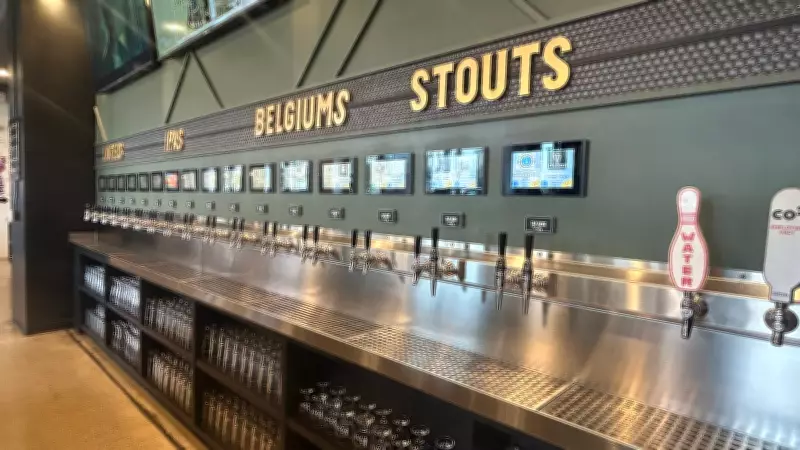
Detroit Bar Introduces Self-Pour Technology to Combat Alcohol Overconsumption
A bar in Detroit is taking a proactive step to address the issue of alcohol overconsumption by integrating new self-pour technology into its operations. This innovative system allows patrons to serve their own drinks while providing tools to monitor and limit intake, aiming to promote responsible drinking habits.
How the Self-Pour System Works
The technology enables customers to use personalized cards or mobile apps to access taps, pouring their beverages in controlled amounts. It tracks consumption in real-time, offering alerts when predefined limits are approached. This setup empowers individuals to make informed decisions about their drinking, potentially reducing the risks associated with excessive alcohol use.
Public Health Implications

Alcohol overconsumption is a significant public health concern, linked to various health problems and social issues. By implementing this self-pour technology, the bar aims to foster a safer environment. Patrons can enjoy their drinks without the pressure to overindulge, and staff can focus on customer service rather than monitoring consumption closely.
Broader Trends in the Hospitality Industry
This move reflects a growing trend in the hospitality sector towards using technology to enhance customer experience and address health-related challenges. Similar systems have been tested in other regions, with studies suggesting they can help reduce binge drinking incidents. The Detroit bar's initiative may inspire other establishments to adopt comparable measures, contributing to broader efforts to curb alcohol abuse.
Community and Expert Reactions
Local health experts have praised the initiative, noting that such technologies can complement traditional education and policy efforts. However, some critics argue that self-pour systems might not fully prevent overconsumption if not used responsibly. The bar plans to combine the technology with staff training and awareness campaigns to maximize effectiveness.
As this technology gains traction, it could lead to new standards in the industry, balancing innovation with public health priorities. The Detroit bar's experiment will be closely watched by stakeholders aiming to reduce alcohol-related harms in communities.