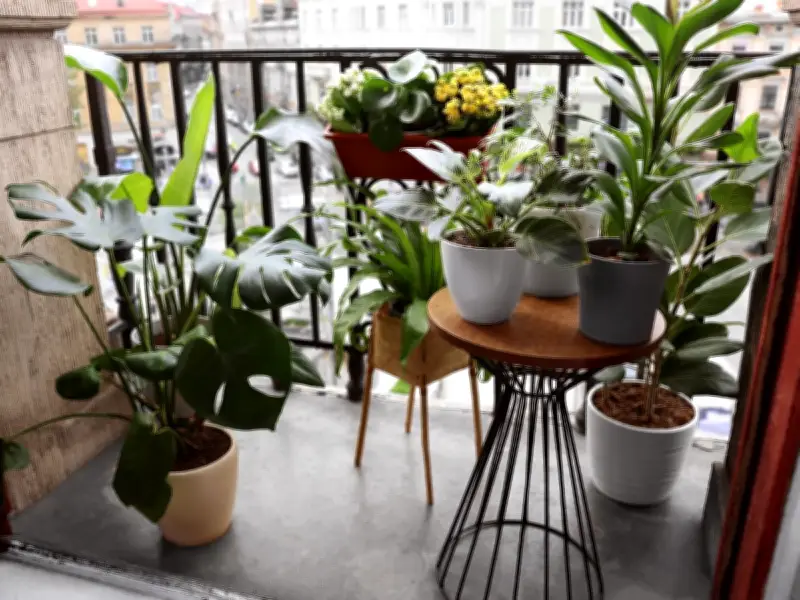
In early June, I send my houseplants on summer vacation—a staycation on my back porch. This annual move gives them a boost in growth and vigor that carries them through winter. But after a major windstorm in southern Ontario last week, I worried about the hazards of exposing my plants to Canadian summer elements. I called houseplant guru Tara Soloway of Plantd Life, which specializes in biophilia and indoor plant design, for advice.
“Definitely, with our short Canadian summers, many houseplants get a real boost from the extra sun and fresh air outside,” Soloway says. “After all, plants were born to grow outside, not in a living room. It’s particularly great for sun lovers, like crotons or flowering plants. I’ve even had potted fruit trees that bore fruit after being outside.” However, she cautions that a back porch, deck, or balcony is a very different environment than a sunny window, so it’s critical to keep certain principles in mind.
Acclimate Plants Gradually to Prevent Shock
Houseplants, like some people, do not react well to sudden change. Don’t move all your plants outside on the first warm day and leave them until September. Instead, acclimatize them over several days: two hours the first day, four hours the next, and so on.

Monitor Light Exposure to Avoid Sunburn
The biggest change between your living room and the outdoors is light intensity. Even if a plant usually enjoys direct light from a south-facing window, real sunlight is much stronger. Before placing plants outside, monitor how much sun a chosen spot gets over a day. It may be dappled in the morning but broiling by 3 PM. Just a few hours in unprotected sun can give a plant a bad sunburn.
Adjust Watering Frequency for Outdoor Conditions
Watering needs change significantly outdoors. Sun, warmth, and fresh air dry plants out quickly, so you’ll likely need to water more often. Hanging plants—including flowering baskets from grocery stores—might need watering daily, especially when temperatures soar. Check regularly with a water meter and water as needed. Summer rain, though helpful, is usually insufficient.
Protect Plants from Wind Damage
Strong winds can harm coddled indoor plants. Sky-high condo balconies can get surprisingly windy even when air is calm at ground level. Winds dry soil and leaf surfaces, and very strong winds can tear leaves, break branches, or blow a plant over, potentially breaking its stem or trunk. Keep plants in a sheltered part of the garden or porch, anchor them to something sturdy, and bring them indoors on very windy days.
Guard Against Outdoor Pests
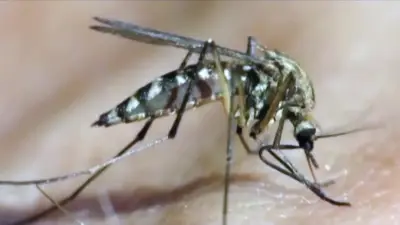
In a garden or outdoor environment, houseplants are vulnerable to the same pests as garden plants—aphids, spider mites, earwigs, slugs, and more. Inspect plants daily and keep Safer’s soap or other pest control methods ready.
Choose Plants Suited to Your Outdoor Environment
Not all plants thrive in every outdoor setting. “Just like the way you grow them inside, take your cues from where they grow naturally,” Soloway advises. “Ferns come from the rainforest, so they love shady, wet environments, while cactuses love dry soil and full sun. If you keep that in mind, they should do just fine.”