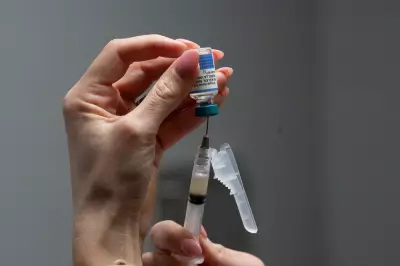
In a letter to the editor, Grace Golightly of North Cowichan responds to recent news about the pause of the Thomus Donaghy Overdose Prevention Site in Vancouver's Downtown Eastside. She expresses dismay at provincial Health Minister Josie Osborne's decision to pause the site, which Osborne had previously described as critical health care.
A Personal Story of Recovery
Golightly shares a deeply personal account: her relative, addicted to opioids, spent several years on the street. It took nine months to access detox and treatment, but he now has over a year in recovery and has been working full-time for six months. She emphasizes that people can and do recover from addiction.
However, she argues that until recovery is possible, individuals cannot simply stop using drugs. Without them, they become severely ill, and street drugs are dangerously inconsistent and contaminated. Overdose prevention sites allow people to live long enough to access scarce detox and treatment beds. Even housed individuals use these sites because they want to live.

Golightly notes that many people believe none of their loved ones use drugs, only to discover otherwise through overdose deaths. She concludes: "The lives that overdose prevention sites save could be lives you care about."
Pope's Wariness of AI Is Justified
Richard Hoover of Delta responds to a recent article about Pope Leo's comments on artificial intelligence. Hoover, a mathematician by training, agrees with the Pope's concern that AI needs to be more "human-friendly." He notes that while the Pope focused on AI's potential for military targeting and dominating humanity, Hoover suggests another worry: Christians abandoning the church for direct access to the divine via "Jesus AI" or "Chat with God AI" apps. He welcomes the Pope's advocacy to protect humanity from AI's dangers.
Lucky to Have Watched Vancouver Grow
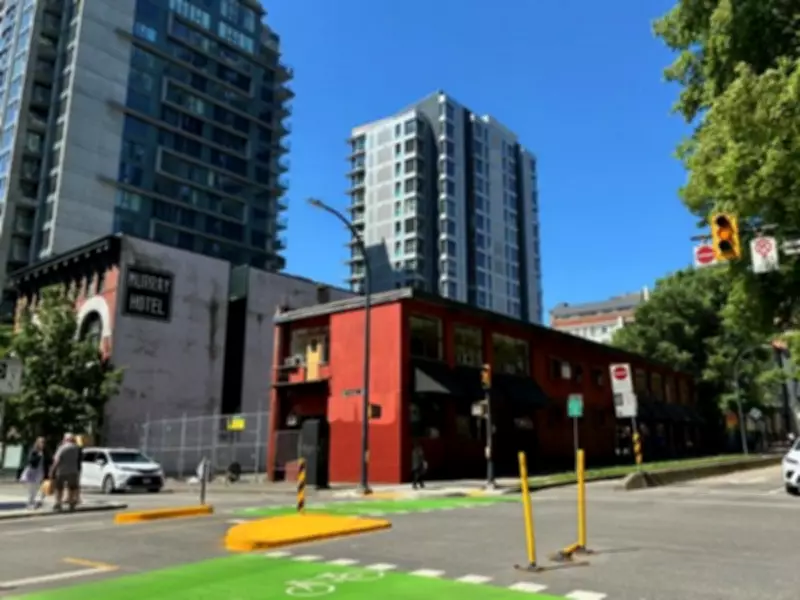
A reader shares a nostalgic reflection on Vancouver's transformation. In July 1959, as a new stewardess with Trans Canada Airlines, she first glimpsed the city. She took a bus tour to Whytecliff Park near Horseshoe Bay, captivated by the drive over Lions Gate Bridge and along Marine Drive through West Vancouver. She thought, "This is where I'd like to live." In 1964, she met her husband in Vancouver, transferred from Toronto, married in 1965, and purchased a house in West Vancouver, where she still lives. She feels lucky to have watched Vancouver grow from a very small city into the gem it is today.