Ontario Government Stands Firm on Defunding Drug Consumption Sites Amid Criticism
The Doug Ford government is maintaining its controversial decision to withdraw provincial funding from supervised drug consumption sites, even as opposition continues to grow from various critics and former municipal leaders. This policy shift has sparked significant public debate about addiction treatment approaches in Ontario.
Former Toronto Mayors Voice Strong Opposition
Six former Toronto mayors have joined the chorus of disapproval, sending a formal letter to Premier Doug Ford and Health Minister Sylvia Jones on Tuesday. The letter urgently requested the province to reconsider its decision, which the former mayors argue has already resulted in "much physical harm and death." The signatories include David Crombie, Art Eggleton, Barbara Hall, David Miller, John Sewell, and John Tory, representing decades of municipal leadership experience.
Government Defends Policy Shift
At a Wednesday news conference, Premier Ford defended the government's position, stating, "I want to help these people, but I'm not going to sit back as you put these injection sites in the middle of communities." He expressed concerns about discarded needles in public spaces, particularly parks, describing the situation as "dangerous for kids and communities" and "terrible."

Health Minister Sylvia Jones echoed this stance, declaring, "We're not going to reverse, we've been very clear: Our focus is on the HART hubs to make sure that people have access to treatment." She emphasized the government's commitment to creating pathways out of addiction rather than continuing to fund what she described as "illicit drugs."
Transition to Abstinence-Based Treatment Model
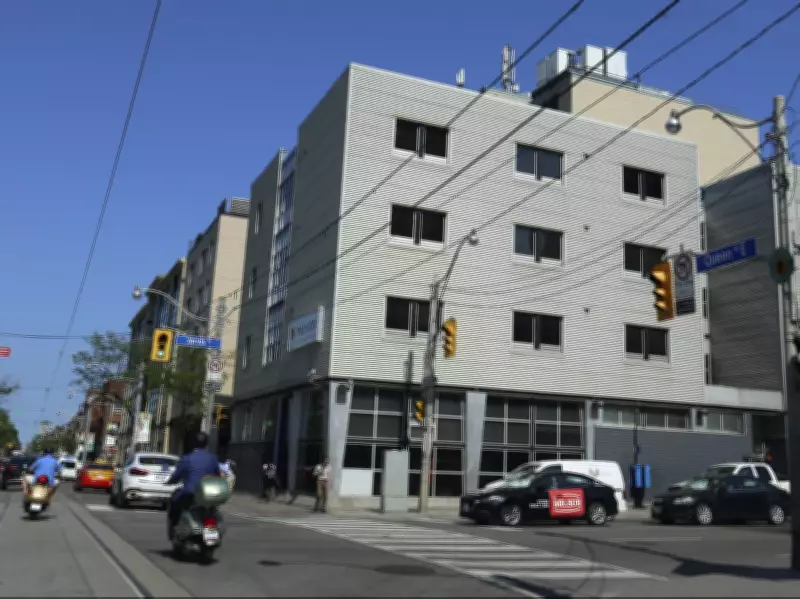
The province's new approach involves transitioning from supervised consumption sites to abstinence-based Homelessness and Addiction Recovery Treatment (HART) hubs. Seven supervised consumption sites, including Fred Victor and Moss Park Consumption and Treatment Services in Toronto, have been notified that their funding will be terminated by mid-June.
This follows a 2024 Progressive Conservative government policy banning such sites from operating within 200 metres of schools and daycares. The province has allocated approximately $550 million to facilitate this transition, with 27 of 28 planned HART facilities currently operational according to government reports.
Indigenous Health Organization Expresses Concerns
Anishnawbe Health Toronto has voiced "deep concern" about the closure of consumption sites, warning of "life-threatening harms" for Indigenous people in the city. In a letter to Minister Jones, interim executive director Michael Milward noted that the HART hub model primarily supports those pursuing abstinence, potentially excluding "the vast majority of active drug users who are unable to stop even though they would like to."
The organization emphasized that substance-use disorders should be recognized as chronic medical conditions comparable to depression or diabetes, urging the government to review definitions from the National Institute of Drug Abuse for better understanding.
Current Impact and Statistics
Preliminary data from the Office of the Chief Coroner for Ontario indicates there were 206 suspected drug-related deaths across the province in February, compared to 209 in February 2025. The former mayors' letter cited a noticeable spike in non-fatal opioid overdose calls to Toronto paramedics following the funding cuts.
While Toronto Mayor Olivia Chow has called for sustained funding for treatment and improved federal-provincial coordination to address the opioid crisis, the Ford government remains committed to its current policy direction, prioritizing what it describes as community safety and comprehensive treatment pathways over supervised consumption services.