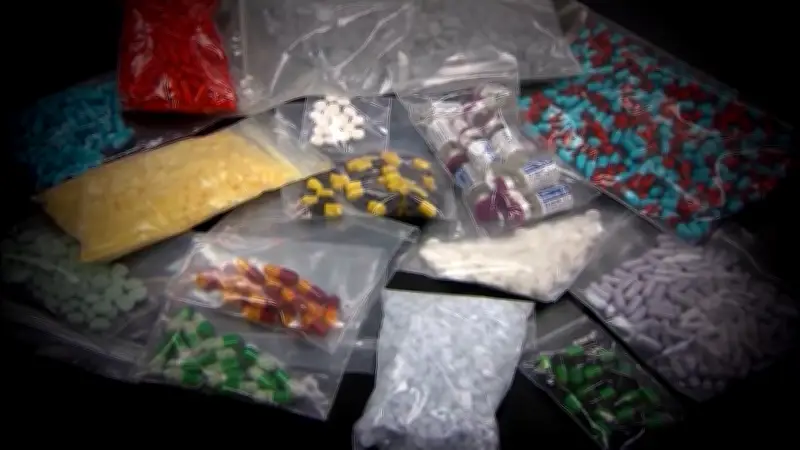
Local leaders are raising concerns about the safe supply virtual delivery model, arguing that it is inadvertently increasing illegal activities rather than reducing harm. The model, which allows individuals to access prescribed medications through virtual platforms, has come under scrutiny for its lack of oversight and potential to be exploited.
Criticism from Community Leaders
Community leaders and officials have voiced their frustrations, stating that the virtual delivery system is being misused. They claim that without proper monitoring, the program is facilitating the diversion of drugs into the black market and contributing to a rise in illicit drug use.
“It’s actually increasing illegal activities,” said one local leader, who requested anonymity due to the sensitive nature of the issue. “We need more oversight to ensure that this program is achieving its intended goals and not causing more harm.”

Calls for Enhanced Regulation
The leaders are calling for stricter regulations, including better tracking of prescriptions, mandatory reporting of suspicious activities, and increased collaboration with law enforcement. They argue that the current system lacks the necessary safeguards to prevent abuse.
“The virtual delivery model was designed to help vulnerable individuals, but without proper checks, it’s being exploited,” another official added. “We need to reassess the program and implement measures to protect both participants and the community.”
Background on Safe Supply Programs
Safe supply programs aim to provide pharmaceutical-grade alternatives to toxic street drugs, reducing overdose deaths and public health crises. The virtual delivery model was introduced to expand access, particularly during the COVID-19 pandemic, but concerns about its effectiveness and safety have persisted.
Critics argue that the lack of face-to-face interaction makes it easier for individuals to obtain drugs for non-medical purposes or to resell them. Supporters, however, maintain that the program saves lives and should be expanded with better oversight rather than dismantled.
Next Steps
Local leaders are urging government officials to conduct a comprehensive review of the virtual delivery model and consider implementing new policies to address the identified issues. They emphasize the importance of balancing harm reduction with public safety.
“We need a system that works for everyone,” one leader concluded. “That means ensuring that safe supply remains accessible to those who need it while preventing it from fueling illegal activities.”