The Saskatchewan Medical Association has issued a stark warning regarding proposed provincial legislation that would permit involuntary addiction treatment, stating it could lead to increased risks of overdose upon release from facilities. This caution comes as Premier Scott Moe anticipates the Compassionate Care Act will be enacted into law during the spring session.
Medical Concerns Over Legislative Approach
Dr. Pamela Arnold, President of the Saskatchewan Medical Association, emphasized that forced treatment programs are not only ineffective but may also exacerbate negative health outcomes for individuals struggling with addiction. "Overdose risk is significantly heightened following discharge from involuntary treatment facilities," Dr. Arnold stated, highlighting a critical concern backed by feedback from medical professionals specializing in addictions, emergency care, and psychiatry.
Details of the Compassionate Care Act
Introduced by the Saskatchewan Party government in December, the Compassionate Care Act is designed to allow for involuntary addiction treatment in specific circumstances, targeting individuals deemed "no longer capable of seeking help" on their own. According to the provincial health ministry, the treatment provided under this act will mirror the holistic and culturally sensitive approaches available in voluntary programs, aiming to ensure consistency in care standards.

The ministry has engaged with nearly 400 stakeholder groups through information sessions to discuss the implementation of this legislation, reflecting a broad consultation process. However, the SMA argues that the focus should shift toward enhancing voluntary treatment options and post-treatment support systems.
Calls for Enhanced Support Systems
Dr. Arnold pointed out that while the SMA supports urgent action to address the ongoing drug crisis, the solution lies in expanding accessible treatment spaces and resources, particularly in local communities. She identified barriers such as geographical access and difficulties in initiating care as major hurdles for those seeking help.
"Alongside increasing treatment capacity, there must be a greater emphasis on supporting individuals after they leave treatment, including stable housing and community-based assistance," Dr. Arnold explained. She expressed the association's willingness to collaborate with the government on developing these supportive measures to improve long-term recovery outcomes.
Government Response and Future Plans
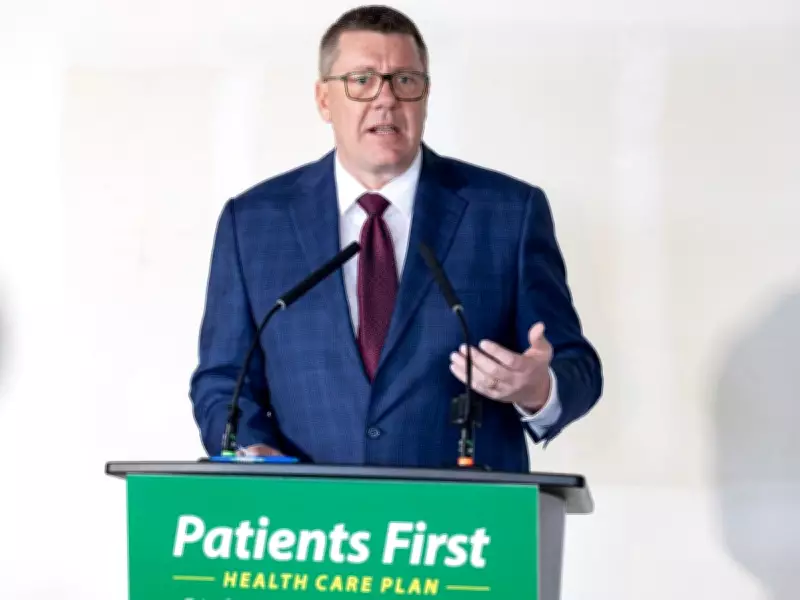
In response, the provincial government affirmed its alignment with the SMA's goal of aiding people with addictions, citing commitments to add 500 treatment spaces and noting that approximately 800 beds are currently available for Saskatchewan residents. During a speech at the Saskatchewan Urban Municipalities Association convention in Regina, Premier Scott Moe acknowledged the need for further discussions on expanding treatment options.
"We must meet people where they are and provide every individual with the opportunity to embark on a path to recovery," Moe told delegates, reiterating his expectation that the legislation will pass this spring. He emphasized the government's dedication to a compassionate approach, though medical experts remain cautious about the potential risks associated with involuntary measures.
As debates continue, the SMA advocates for evidence-based strategies that prioritize voluntary engagement and comprehensive post-treatment support to mitigate overdose dangers and foster sustainable recovery in the province.