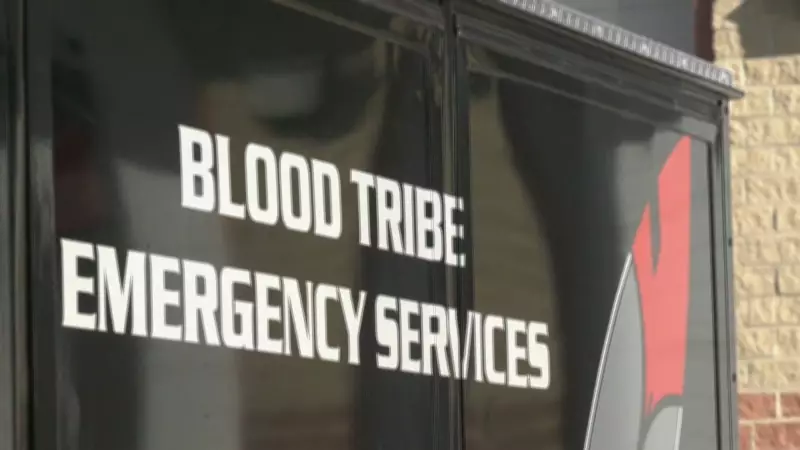
Blood Tribe Emergency Services Achieves Remarkable Milestone with Zero Overdose Calls
The Blood Tribe Emergency Services in Alberta has reported a significant public health achievement: no overdose-related emergency calls have been recorded since December 2025. This development aligns with a broader nationwide trend of declining opioid-related deaths across Canada, suggesting that local harm reduction and prevention efforts may be yielding positive results in this Indigenous community.
A Positive Trend Amid National Declines
This news comes as Canada experiences a notable drop in opioid-related fatalities, with the Blood Tribe's data reflecting this encouraging pattern. The absence of overdose calls for over three months marks a stark contrast to previous years, when such emergencies were more frequent in many regions grappling with the opioid crisis.
Community-based initiatives and enhanced access to support services are likely contributing factors to this progress. The Blood Tribe has implemented various strategies to address substance use disorders, including education programs, naloxone distribution, and partnerships with healthcare providers.

Context of Broader Health and Safety News
While this report highlights a local success story, other health and safety issues remain prominent across the country. For instance, a recent study revealed that Black people in Canada are less likely to fill medication prescriptions due to cost barriers, underscoring ongoing healthcare disparities. Additionally, parents in the United States are increasingly refusing routine preventive care for newborns beyond vaccines, raising concerns about pediatric health.
In related news, Prairie Harm Reduction, an organization focused on substance use support, terminated its director over a significant financial shortfall, illustrating the challenges faced by some service providers in this field.
Implications for Public Health Policy
The Blood Tribe's experience could inform public health strategies elsewhere. Evidence-based approaches that combine emergency response with long-term prevention and treatment appear crucial in reducing overdose incidents. As communities nationwide seek solutions to the opioid crisis, this case demonstrates the potential for localized efforts to make a measurable impact.
Continued monitoring and support will be essential to sustain this positive trend. The Blood Tribe Emergency Services' achievement offers hope and a model for other regions striving to combat overdose deaths and improve community well-being.