A Decade Into B.C.'s Toxic Drug Crisis: Evidence-Based Solutions Show Promise
Ten years have passed since British Columbia declared a public health emergency in response to the escalating toxic drug poisoning crisis that continues to grip the province. Each anniversary serves as a painful reminder of the ongoing urgency, marked by profound grief and loss that reverberates through families, friends, and entire communities.
The Human Toll Behind the Statistics
Since April 14, 2016, this emergency has claimed the lives of more than 18,000 people in B.C. Behind each number lies a personal tragedy with far-reaching consequences. While toxic drug poisoning deaths declined by 21 percent in 2025 compared to 2024, this does not signal the end of the emergency.
Toxic drug deaths remain dramatically higher than before the public health emergency was declared. In 2015, the year preceding the declaration, there were 474 deaths. This number skyrocketed to 2,318 deaths in 2024 and 1,833 in 2025. There is no guarantee the downward trend will continue as the illicit drug supply becomes increasingly contaminated with new adulterants alongside fentanyl.

Deaths represent only part of the devastating story. Many individuals survive toxic drug poisonings but experience serious, often long-term health consequences. In 2025 alone, B.C.'s emergency services responded to nearly 40,000 drug poisoning incidents.
Transforming Addiction Care Through Integration
Now represents a critical moment to strengthen evidence-based addiction care so people seeking help can access treatment when they need it. Demand for treatment continues to grow, yet timely access to safe, effective care remains a significant challenge.
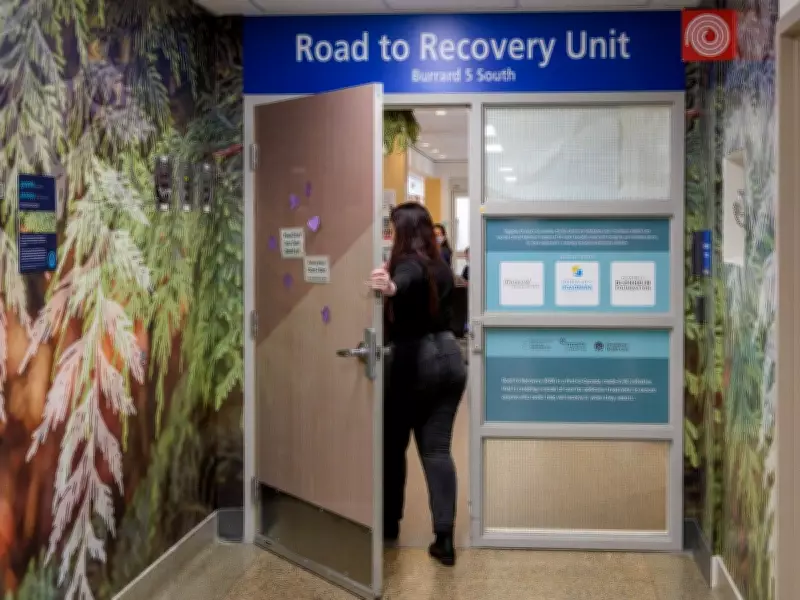
At Providence Health Care and Vancouver Coastal Health, an initiative called Road to Recovery has fundamentally transformed how people access addiction services. This program replaces a fragmented system with a coordinated, person-centered model of care that delivers substantially better outcomes for individuals in recovery.
The process begins at Access Central, a dedicated phone line serving as a single entry-point to care where people receive same-day assessments from trained addiction clinicians. Patients can quickly access medications to support their recovery through their pharmacy or see an addiction physician the same day at St. Paul's Hospital's rapid access addiction clinic, or through Vancouver Coastal Health's Downtown Eastside connections clinic.
Those at higher risk of withdrawal complications can access medical withdrawal management often within 24 hours. The model also addresses a long-standing gap in care by introducing transitional care beds that help patients move from hospital or withdrawal management into housing or longer-term treatment.
Comprehensive Support Systems
Harm-reduction services, counseling, and peer support remain available for people who are still considering treatment, while enhanced aftercare teams help connect patients with housing, employment supports, legal services, and ongoing counseling. These comprehensive services recognize that recovery extends beyond medical treatment alone.
Early results from these integrated approaches show promising outcomes. Wait times have dropped significantly through coordinated intake at Access Central, and treatment retention rates for patients with opioid use disorder exceed provincial averages.
St. Paul's Hospital also operates Canada's only acute-care overdose prevention site, providing life-saving support for hospitalized patients and creating a vital connection to care and pathways into treatment and recovery when patients are ready.
While initiatives like Road to Recovery demonstrate that integrated addiction care can work effectively, harm-reduction services including overdose prevention sites and low-barrier rapid access addiction clinics remain critical entry points. These services help people survive long enough to seek comprehensive treatment, representing essential components of a multifaceted approach to addressing this ongoing public health crisis.