Winnipeg-Interlake Farmers Report Surge in Wolf Attacks on Livestock
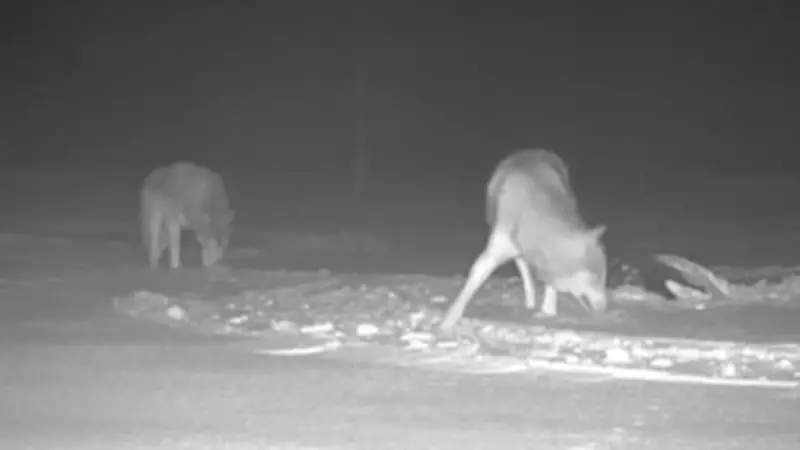
Farmers in the Winnipeg-Interlake region of Manitoba are raising alarms over a significant rise in wolf attacks targeting their livestock. This troubling trend has been documented through trail camera footage, including a recent sighting on the MacMillan family property west of Warren, Manitoba, on March 2, 2026.
The increase in predatory incidents is causing substantial economic and safety concerns for agricultural operations across the area. Local producers report that wolves are becoming bolder, venturing closer to farms and homesteads, which poses a direct threat to animals such as cattle, sheep, and poultry.
Evidence and Impact on Farming Communities
Trail cameras have captured clear images of wolves roaming private lands, providing visual proof of their presence near livestock enclosures. This evidence underscores the growing risk to farm animals, which are vital for the livelihoods of many families in the region.

The economic repercussions are severe, with farmers facing losses from injured or killed animals, increased veterinary costs, and the need for enhanced security measures. Some are investing in stronger fencing, guard dogs, and surveillance systems to protect their herds, but these solutions come at a high financial burden.
Broader Implications for Wildlife and Agriculture
This surge in wolf attacks highlights the ongoing challenges of balancing wildlife conservation with agricultural sustainability. While wolves are a protected species in many areas, their expanding populations and changing behaviors can lead to conflicts with human activities.
Farmers are calling for more support from wildlife management authorities, including possible interventions to mitigate risks without harming the wolf populations. Discussions are underway about non-lethal deterrents, compensation programs for losses, and community-based monitoring initiatives.
The situation in Winnipeg-Interlake reflects a larger issue faced by rural communities across Canada, where human-wildlife interactions are intensifying due to habitat changes and climate factors. Addressing these conflicts requires collaborative efforts between farmers, conservationists, and policymakers to ensure both ecological health and agricultural viability.