U.K. Zoo Hails Snail's Remarkable Comeback from Near Extinction
In a heartening development for global conservation, a U.K. zoo has declared that a tiny snail species has been successfully pulled back from the brink of extinction. This announcement underscores the critical role of dedicated wildlife preservation efforts, even for the smallest and often overlooked creatures.
Conservation Triumph for a Diminutive Species
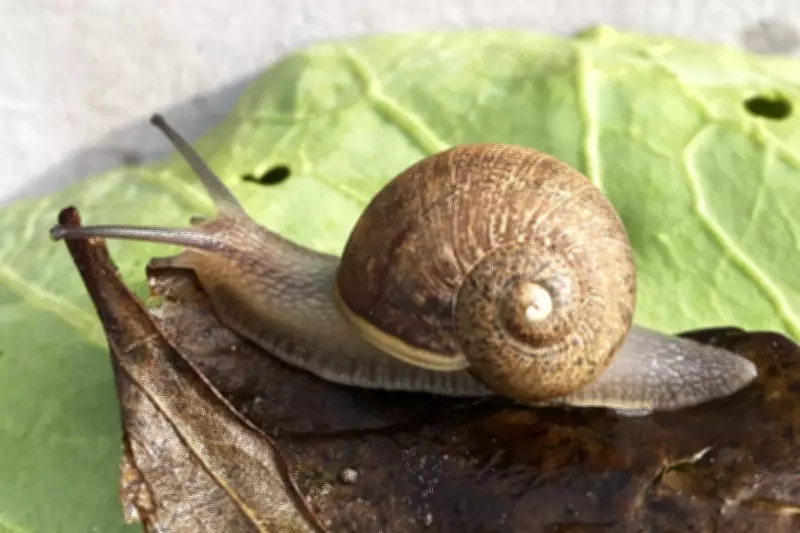
The snail, known for its pale body, was once facing severe population declines that threatened its very existence. Through targeted breeding programs and habitat protection initiatives spearheaded by the zoo, the species has shown a significant rebound. Experts note that this recovery is a testament to the effectiveness of sustained conservation strategies, which can yield positive results over time.
This success story highlights the importance of biodiversity conservation, emphasizing that every species, no matter how small, plays a vital role in ecosystem health. The zoo's efforts involved meticulous care, including controlled environments to simulate natural conditions and prevent further decline.

Broader Implications for Wildlife Preservation
The snail's comeback serves as an inspiring example for other conservation projects worldwide. It demonstrates that with adequate resources and scientific expertise, even species on the verge of disappearing can be given a second chance. This achievement is particularly relevant in the context of increasing extinction rates driven by habitat loss, climate change, and human activities.
Conservationists are now optimistic that similar approaches can be applied to other endangered invertebrates, which often receive less attention than larger animals. The zoo plans to continue monitoring the snail population to ensure its long-term stability and may share its methodologies with other institutions to foster broader conservation success.
This news arrives as a reminder of the resilience of nature when supported by human intervention. It encourages public awareness and support for conservation programs, which are essential in safeguarding our planet's rich biological heritage for future generations.