Study Finds Few Improvements to At-Risk Species in British Columbia
A recent study has revealed that only a small number of species have experienced genuine improvements in their status on British Columbia's official list of threatened, special-concern, and secure species. The findings underscore persistent challenges in wildlife conservation across the province.
Limited Progress for Vulnerable Wildlife
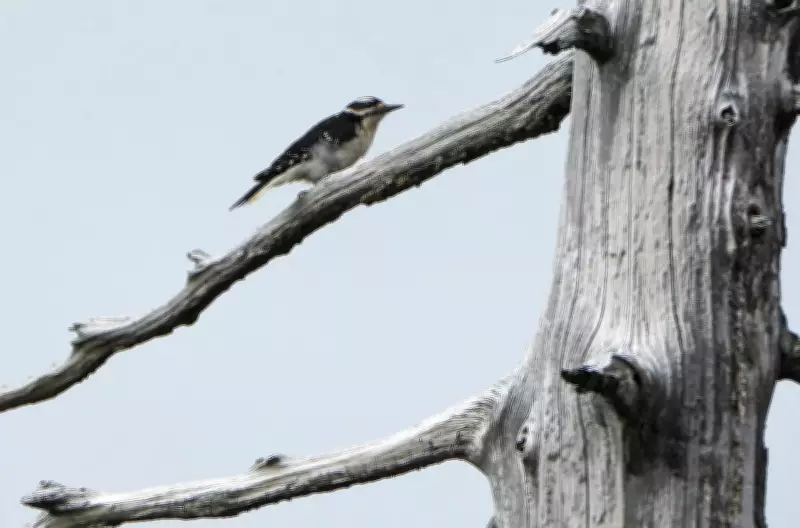
The research indicates that just 14 species have shown measurable improvement, with the hairy woodpecker cited as one example. This bird species, depicted in an undated photo, represents a rare success story amid broader concerns about biodiversity loss.
British Columbia's conservation efforts face significant hurdles, as many species continue to struggle despite protective measures. The study highlights the need for enhanced strategies to address habitat degradation, climate change impacts, and other threats to wildlife populations.

Conservation Context and Implications
The province maintains comprehensive lists categorizing species based on their risk levels, ranging from secure to threatened. However, the slow pace of improvement suggests current approaches may be insufficient for reversing declines in vulnerable populations.
Environmental experts emphasize that these findings should serve as a wake-up call for policymakers and conservation organizations. The data points to urgent requirements for:
- Increased funding for species recovery programs
- Stronger habitat protection regulations
- Improved monitoring of population trends
- Greater collaboration between government agencies and Indigenous communities
Broader Environmental Concerns
This study emerges alongside other environmental news, including reports on climate change, pollution control, and sustainable agriculture. The intersection of these issues demonstrates how species conservation is interconnected with broader ecological health.
While the hairy woodpecker's improvement offers a glimmer of hope, the overall picture remains concerning. Conservationists argue that without decisive action, British Columbia risks losing irreplaceable components of its natural heritage.
The study's publication in early April 2026 provides crucial data for upcoming policy discussions about wildlife management and environmental protection in the province.