Snow Leopard Attack on Skier in China's Xinjiang Region Highlights Human-Wildlife Conflict
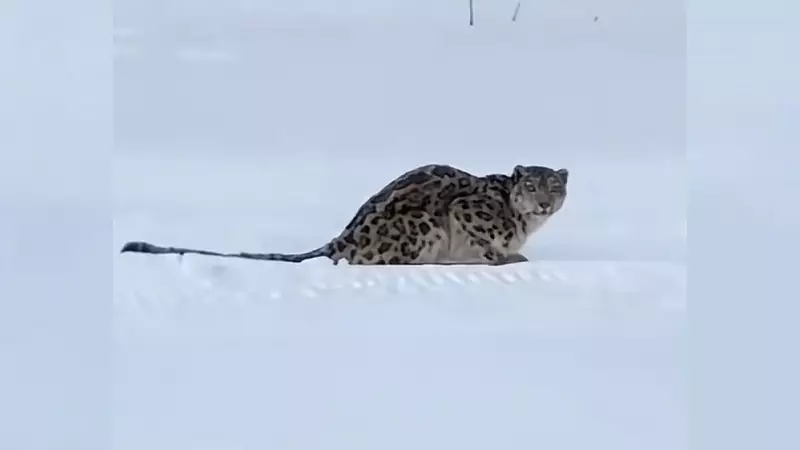
A rare and dramatic incident occurred in China's northwest Xinjiang region when a snow leopard attacked a tourist who was skiing in the area. The event, which was captured on video and circulated on social media platforms, has drawn significant attention to the challenges of human-wildlife interactions in remote mountainous regions.
Details of the Snow Leopard Encounter
The attack took place in the rugged terrain of Xinjiang, an autonomous region known for its vast landscapes and diverse wildlife. According to reports, the skier was exploring the area when the snow leopard, a species typically elusive and rarely seen by humans, initiated the mauling. The video footage, shared by a user on Weibo and obtained by CNN, shows the snow leopard in close proximity to the tourist during the alarming encounter.
Snow leopards are classified as a vulnerable species by the International Union for Conservation of Nature, with populations threatened by habitat loss and poaching. This incident underscores the increasing overlap between human activities, such as tourism and recreation, and the natural habitats of these majestic predators.

Broader Implications for Wildlife Conservation
This attack raises important questions about safety protocols and conservation efforts in regions where snow leopards roam. Experts note that such encounters are uncommon but can occur as climate change and human encroachment alter wildlife behavior and habitats. In response, authorities in China and other countries with snow leopard populations may need to enhance measures to protect both humans and these endangered animals.
Conservationists emphasize the need for public education on how to behave in snow leopard territories, as well as the implementation of stricter guidelines for tourism in sensitive ecological zones. The incident serves as a stark reminder of the delicate balance required to preserve biodiversity while allowing for sustainable human use of natural spaces.
Context of Global Environmental and Climate Issues
The snow leopard attack comes amid broader environmental concerns, including climate change impacts that affect wildlife habitats worldwide. For instance, Australia is currently experiencing a record heat wave with temperatures nearing 50 degrees Celsius, and the northeastern United States has faced a colossal winter storm resulting in at least 13 deaths. These events highlight the interconnectedness of climate phenomena and their effects on both human and animal populations.
In Canada, related environmental news includes discussions on pollution control and wildlife management, such as reports on the lowest number of black bears killed in British Columbia in 2025. However, the snow leopard incident in Xinjiang stands out due to its rarity and the direct human-wildlife conflict it represents.
As global attention turns to such events, it is crucial to foster a deeper understanding of how to coexist with wildlife in an era of environmental change. This attack not only sheds light on the specific risks in Xinjiang but also contributes to ongoing dialogues about conservation, safety, and the impacts of human activities on vulnerable species.