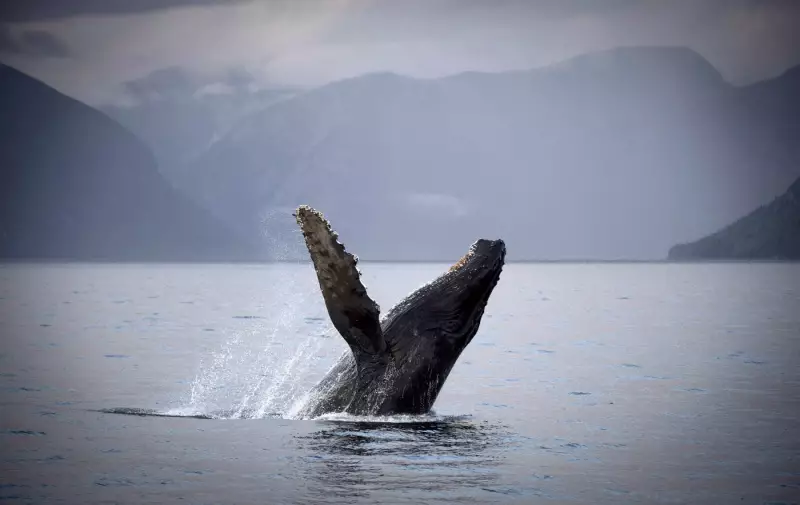
Federal fisheries officials are investigating the discovery of a second dead humpback whale in British Columbia coastal waters, marking the second such incident within a two-week period. The Department of Fisheries and Oceans confirmed it is examining the circumstances surrounding the latest marine mammal mortality.
Growing Concern for Marine Life
The discovery has raised alarms among marine biologists and conservation groups about potential threats to humpback populations in Pacific Northwest waters. Two humpback whale fatalities within fourteen days represents an unusual pattern that demands scientific attention and immediate investigation.
While specific details about the condition of the whale or its exact location remain under investigation by DFO officials, the timing between incidents suggests potential environmental factors or human-related causes that require thorough examination. Marine mammal experts have been mobilized to conduct necropsies and gather crucial data.

DFO's Response and Investigation
The Department of Fisheries and Oceans has taken lead on the case, following established protocols for marine mammal incident response. Their investigation will focus on determining the cause of death and identifying any potential connections between the two recent humpback fatalities.
November 10, 2025 marks the date when authorities confirmed the second whale death, though the actual discovery may have occurred earlier. The DFO's marine mammal response team specializes in examining such incidents, looking for evidence of ship strikes, entanglement in fishing gear, natural causes, or other environmental factors.
Conservation Implications
Humpback whales in British Columbia waters have shown promising population recovery in recent decades after facing significant threats from commercial whaling. These back-to-back deaths represent a concerning development for a species that has been working toward stable population levels.
Marine conservation organizations are monitoring the situation closely, emphasizing the importance of understanding whether these incidents represent isolated events or indicate broader environmental challenges affecting marine ecosystems. The investigation results could inform future conservation measures and protection strategies for humpback whales along Canada's Pacific coast.
As the DFO continues its examination, marine traffic operators and fishing vessels in the region have been alerted to remain vigilant for whale activity and report any unusual sightings or behaviors. The department encourages public reporting of marine mammal incidents through their official response network.