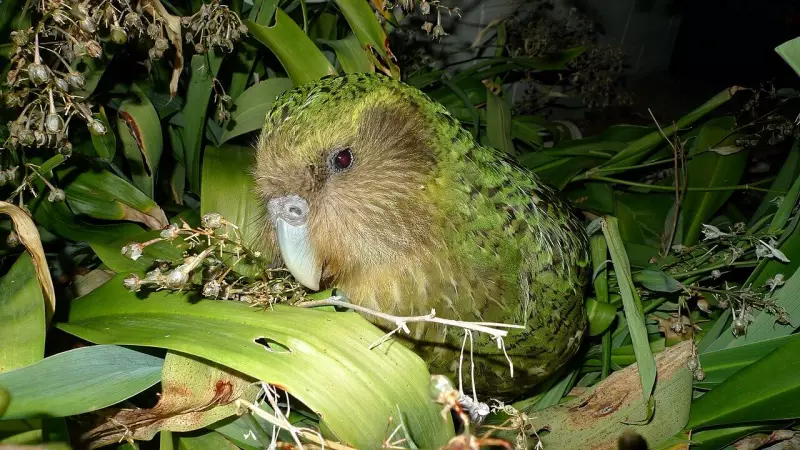
In a promising development for global biodiversity, the critically endangered kakapo parrot of New Zealand has once again entered a breeding cycle. This rare, flightless bird, known for its nocturnal habits and distinctive appearance, represents a major success story for dedicated conservation programs.
A Conservation Milestone for a Unique Species
The kakapo, whose name means 'night parrot' in Māori, is the world's only flightless parrot and also the heaviest. With a lifespan that can exceed 90 years, this ground-dwelling bird was once widespread across New Zealand. However, the introduction of mammalian predators like rats, stoats, and cats by human settlers drove the species to the brink of extinction. By the 1990s, the population had dwindled to a mere 51 known individuals, making it one of the rarest birds on the planet.
The recent return to breeding activity is not a random event but the result of decades of painstaking work. Conservationists manage the entire known population on predator-free offshore islands, such as Maud Island, Whenua Hou (Codfish Island), and Anchor Island. Every bird is fitted with a smart transmitter, allowing scientists to monitor their health, location, and activity around the clock.

The Rigorous Path to Recovery
Breeding for the kakapo is an infrequent and complex process, heavily dependent on the cyclical mast seeding of certain native trees like the rimu. These trees produce a bounty of fruit only every two to four years, which provides the necessary nutrition for female kakapo to raise chicks. Conservation teams capitalize on these mast years by providing supplementary food to boost the birds' condition and encourage nesting.
The breeding season reported in early 2026 is a critical event for the species' slow recovery. Each new chick represents a vital increase in genetic diversity and population numbers. The process is hands-on: conservation staff monitor nests, sometimes hand-rearing chicks to ensure their survival, and protect them from any potential threats, even rare illnesses like the aspergillosis respiratory infection that impacted the population in 2019.
Global Implications and Hope for the Future
The story of the kakapo is more than a regional conservation effort; it serves as a beacon of hope for endangered species worldwide. It demonstrates that with extreme commitment, scientific innovation, and sustained funding, even the most critically endangered creatures can be pulled back from the edge. The program, led by New Zealand's Department of Conservation (DOC) in partnership with the Māori tribe Ngāi Tahu and supported by international donors, is a model of intensive species management.
While the current total population is now carefully managed and has grown from its historic low, the kakapo's future remains fragile. Its survival is entirely dependent on continued human intervention and the maintenance of secure, predator-free habitats. The successful breeding activity in 2026 is a testament to what is possible, offering a powerful narrative of resilience in an age of unprecedented biodiversity loss. For conservationists in Canada and around the world, the kakapo's progress is a reminder of the enduring value of protecting our planet's most unique and vulnerable inhabitants.