Federal Government Introduces Comprehensive Plan to Safeguard Marine Mammals
The Government of Canada has officially launched a new five-year fishing strategy designed to protect vulnerable whale populations and significantly reduce the risk of entanglements in fishing gear. This initiative represents a major step forward in marine conservation efforts, addressing a critical threat to species like the North Atlantic right whale.
Addressing a Persistent Threat to Marine Life
Entanglement in fishing gear remains one of the most serious threats to whales in Canadian waters. The new strategy aims to implement science-based measures and innovative technologies to minimize these dangerous interactions. Federal officials emphasize that protecting these majestic creatures is both an ecological imperative and a responsibility under Canada's environmental commitments.
The comprehensive plan includes several key components:

- Enhanced monitoring and reporting systems for fishing activities in critical whale habitats
- Development and deployment of whale-safe fishing gear technologies
- Expanded seasonal closures and dynamic management areas based on whale movements
- Increased collaboration with fishing industry stakeholders and Indigenous communities
- Strengthened enforcement of existing marine protection regulations
Building on Previous Conservation Efforts
This five-year strategy builds upon previous measures implemented by Fisheries and Oceans Canada to protect marine mammals. The government has been working to address entanglement risks through various programs, but this new comprehensive approach represents a more coordinated and long-term solution.
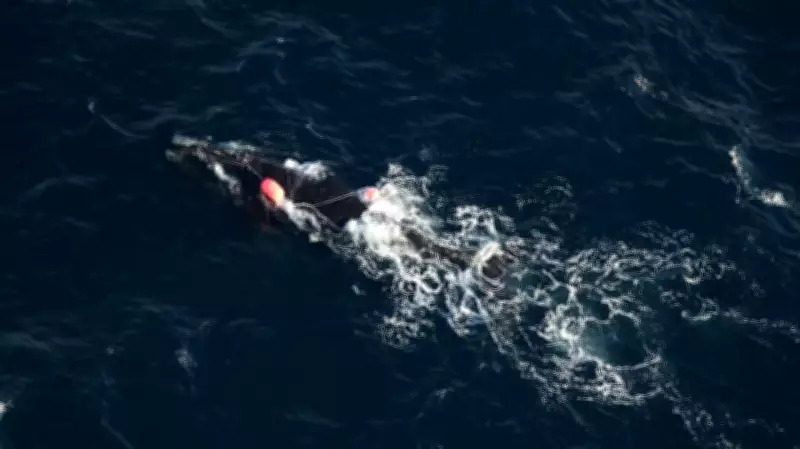
The timing of this announcement follows recent incidents of whale entanglements, including a North Atlantic right whale spotted off the coast of North Carolina in December 2024 with visible fishing gear entanglement. Such events highlight the ongoing need for effective protection measures throughout the whales' migratory ranges.
Balancing Conservation with Sustainable Fisheries
Government officials stress that the strategy aims to balance whale protection with maintaining sustainable fishing industries. The plan includes support mechanisms for fishers transitioning to whale-safe practices and technologies, recognizing the economic importance of fisheries to coastal communities across Canada.
The five-year timeframe allows for adaptive management approaches, with regular assessments of effectiveness and adjustments based on new scientific data and technological developments. This flexible approach ensures the strategy can respond to changing conditions and emerging challenges in marine conservation.
As Canada continues to strengthen its marine protection framework, this fishing strategy represents a significant commitment to preserving biodiversity and ensuring the long-term health of ocean ecosystems for future generations.