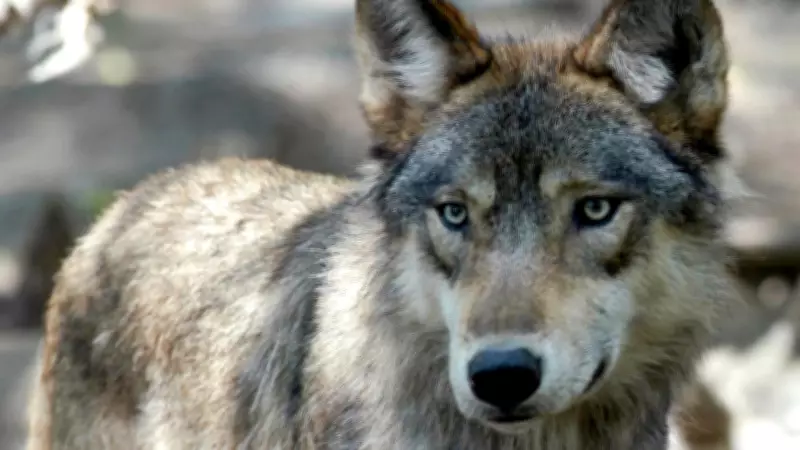
Authorities in Italy are investigating the suspected mass poisoning of 18 wolves in a national park, a incident that has sparked outrage among conservationists and prompted calls for stronger protections for the endangered species.
Discovery and investigation
The wolves were found dead over the past week in the Abruzzo, Lazio and Molise National Park, a protected area in central Italy known for its rich biodiversity. Park rangers discovered the carcasses during routine patrols, and initial tests suggest the animals may have ingested a toxic substance.
Local prosecutors have launched an investigation into the deaths, which are believed to be deliberate. Samples from the wolves have been sent to laboratories for toxicological analysis to determine the exact cause of death.

Conservation concerns
The incident has alarmed environmental groups, who warn that the wolf population in Italy is already under threat from habitat loss and human-wildlife conflict. Wolves are a protected species under Italian and European Union law, and killing them carries severe penalties.
“This is a devastating blow to conservation efforts,” said a spokesperson for the World Wildlife Fund Italy. “We urge authorities to identify and prosecute those responsible for this illegal act.”
The park, which spans more than 50,000 hectares, is home to a significant number of wolves, as well as other rare species such as the Marsican brown bear and the Apennine chamois.
Public reaction
News of the deaths has sparked widespread condemnation on social media, with many calling for increased surveillance and stricter penalties for wildlife crimes. Some local residents have expressed concern about the impact on the park’s ecosystem, as wolves play a crucial role in controlling prey populations.
Authorities have not ruled out the possibility that the poisoning was carried out by farmers or hunters who view wolves as a threat to livestock. However, park officials emphasize that there are non-lethal methods to manage such conflicts.
“We are working with local communities to promote coexistence with wolves,” said a park representative. “This tragic event highlights the urgent need for education and support for sustainable practices.”
The investigation is ongoing, and officials have appealed to the public for any information that could lead to the perpetrators. Meanwhile, the park has increased patrols and deployed camera traps to monitor wildlife activity.