Karsten Heuer's Final Literary Legacy: The Return of Bison to Banff
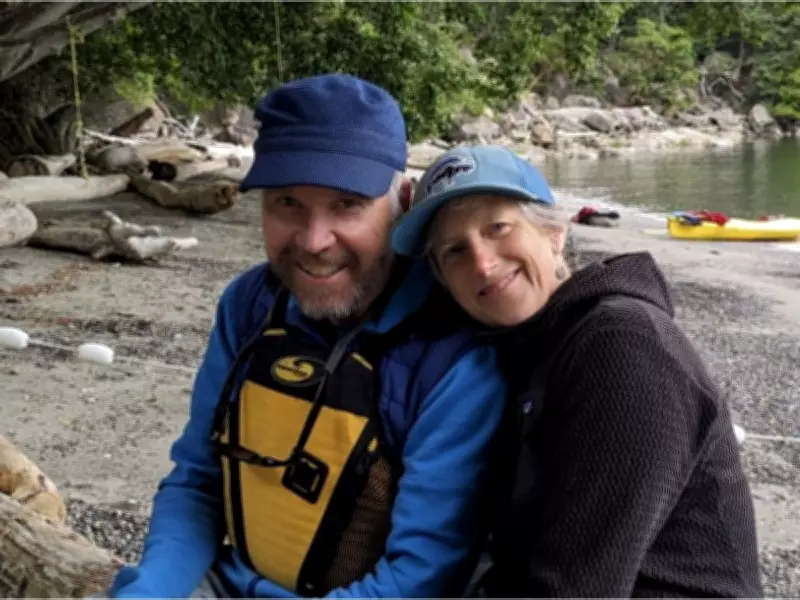
In the summer of 2024, wildlife biologist and author Karsten Heuer embarked on one last arduous trek into the remote wilderness of Banff National Park with his wife, Leanne Allison. The couple hiked to a high pass near Red Deer Valley, where they were rewarded with a breathtaking sight: a herd of free-roaming bison staring back at them from the valley below.
For Heuer, this moment was particularly poignant. At 56 years old, he was battling multiple system atrophy, a rare and fatal neurological disease. This would be his final hike into Banff's backcountry. More importantly, it offered tangible proof of one of his proudest professional achievements: the successful reintroduction of wild bison to the park.
A Lifetime Dedicated to Wilderness Conservation
Heuer was no stranger to epic wilderness journeys. In 1998, he hiked an incredible 3,400 kilometres from Yellowstone to the Yukon to advocate for wildlife corridors. Four years later, he and Allison followed a herd of 150,000 caribou across the Yukon and Alaska to highlight threats to their calving grounds from oil development.

"We did a family trip into the pass, and we walked up to a high pass that was a pretty long way, like 20 kilometres, and he wasn't walking all that well," Allison recalled from her home in Canmore. "He managed to stumble up there. It was pretty incredible. Almost the entire herd was there in the pass waiting. We all got to be there with them. It was awesome."
The Bison Reintroduction Project
Parks Canada selected Heuer to lead the ambitious bison reintroduction program in 2015. After extensive planning, the complex operation began in January 2017, involving the airlifting of 16 bison from Elk Island National Park to Panther Valley in Banff National Park.
The project held deep cultural significance. In his introduction to Heuer's book, Blackfoot scholar Leroy Little Bear of the University of Lethbridge writes about the importance of bison to North American First Nations and Blackfoot prophecies that warned of their disappearance if not respected. These prophecies also spoke of the bison's eventual return after being hidden by Napi, the Blackfoot trickster.
From the beginning, Heuer and his team insisted on incorporating Indigenous perspectives into the bison project, recognizing the animal's cultural and ecological importance.
Writing as Final Act
Heuer died in November 2024, choosing Medical Assistance in Dying (MAiD) to end his life on his own terms. He spent his final moments surrounded by family in his "writing shack," a small strawbale unit with a sod roof he had built in his backyard.
It was in this shack that Heuer wrote much of Buffalo Lessons: How Bison Returned to Banff National Park over five months. He signed a publishing deal with Greystone Books less than a week before his death.
"He had quite a bit of clarity that he couldn't mess around," Allison said. "Especially that last summer, he was pretty much just writing and visiting friends for the last time. It was nice. For one thing, it gave him a focus. It was something he could do kind of slowly. He wasn't typing very well. But some of his last visits were with the team he did the project with, and it was so great for him to be able to share the book with them and have this thing to celebrate."
While Heuer had authored previous books including Walking the Big Wild: From Yellowstone to the Yukon on the Grizzly Bears' Trail (2002) and Being Caribou: Five Months on Foot with an Arctic Herd (2005), writing never came easily to him. Allison described him as a perfectionist who struggled with the process. This final book was different—a focused effort to document what he considered one of his most important conservation achievements.
The bison herd Heuer helped reintroduce now roams freely in Banff National Park, a living testament to his decades of dedication to wildlife conservation and his belief in what he called "the art of the possible."