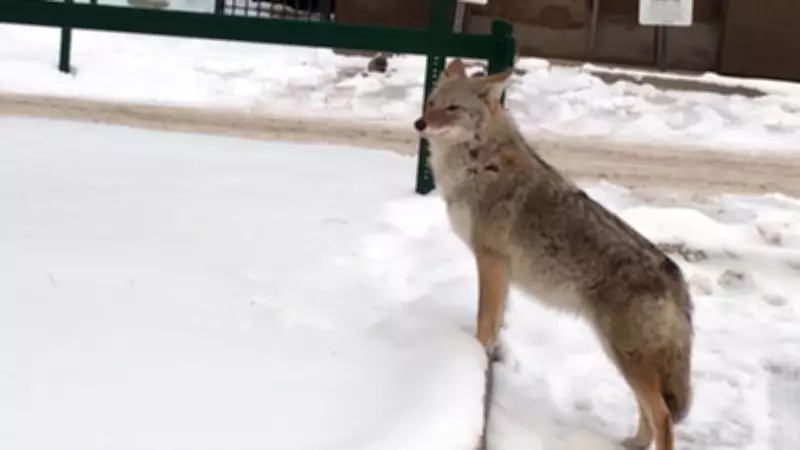
Edmonton Coyote Sightings Surge as Warmer Weather Coincides with Mating Season
A wildlife group is reporting a noticeable rise in coyote sightings across urban areas of Edmonton, attributing the increase to a combination of warmer weather and the animals' natural mating season. This trend highlights the ongoing interaction between urban development and native wildlife populations in Alberta's capital city.
Warmer Weather Patterns Influence Wildlife Behavior
According to wildlife experts, the current period of unseasonably warm temperatures in Edmonton has coincided with the coyote mating season, creating conditions that encourage more frequent urban appearances. Coyotes typically become more active and visible during their breeding period, which generally spans from January through March. The milder weather appears to be amplifying this natural behavioral pattern, making the animals more comfortable venturing into residential neighborhoods and green spaces within the city limits.
Wildlife organizations emphasize that this increased visibility does not necessarily indicate a population boom, but rather reflects normal seasonal behavior enhanced by environmental conditions. Edmonton has experienced record-high temperatures recently, including a particularly warm Wednesday that saw residents enjoying outdoor activities during Winter Walk Day celebrations.

Understanding Urban Coyote Ecology
Coyotes have become increasingly adapted to urban environments across North America, finding reliable food sources and suitable habitat within city boundaries. Edmonton's extensive river valley system and numerous parks provide ideal corridors for these adaptable predators to move through urban landscapes while remaining largely undetected during most of the year.
The current sightings serve as a reminder that Edmonton exists within a shared ecosystem where wildlife continues to thrive alongside human development. Wildlife officials note that coyotes play an important ecological role in controlling rodent populations and maintaining balanced ecosystems, even within urban settings.
Safety Considerations for Residents
While coyote sightings can be concerning for some residents, wildlife experts offer several recommendations for peaceful coexistence:
- Never feed coyotes intentionally or unintentionally through unsecured garbage or pet food left outdoors
- Keep pets on leashes during walks, especially during dawn and dusk when coyotes are most active
- Make noise when encountering coyotes to reinforce their natural wariness of humans
- Secure backyard spaces to discourage denning on private property
Most coyote encounters pose minimal risk to humans when proper precautions are observed. The animals generally prefer to avoid direct contact with people and will retreat when given adequate space and clear boundaries.
Broader Environmental Context
This pattern of increased wildlife sightings during warmer periods reflects broader environmental changes affecting urban ecosystems. Similar observations have been documented in other Canadian cities where mild winters alter traditional wildlife behavior patterns. The Edmonton situation provides valuable data for researchers studying how climate variations influence urban wildlife interactions across different regions.
Wildlife monitoring groups continue to track coyote movements and behaviors throughout the Edmonton area, collecting information that helps inform both public education efforts and municipal wildlife management strategies. This ongoing research contributes to developing balanced approaches that respect both public safety concerns and ecological realities.