Vancouver Bear Cub Makes Strides in Recovery After Severe Burns
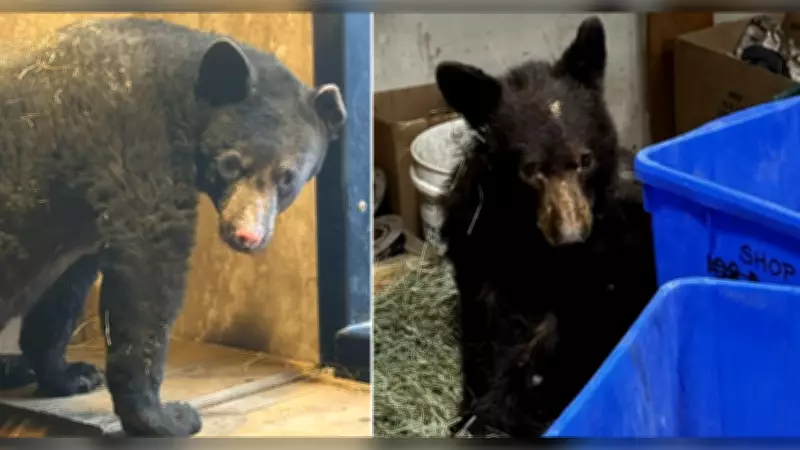
A black bear cub discovered in sub-zero temperatures in late December has reached a significant milestone in its rehabilitation journey. The young animal, found suffering from severe burns, is now bandage-free as it continues to heal at a wildlife rescue facility in the Vancouver area. This positive development comes as the rescue center welcomes a new patient, highlighting the ongoing need for wildlife care in the region.
A Harrowing Discovery in Freezing Conditions
The cub was initially located in the snow during a period of extreme cold, facing not only the harsh winter elements but also painful injuries from burns. Rescuers responded quickly, transporting the animal to a specialized center where veterinarians could provide critical treatment. The burns, which were described as severe, required intensive care and monitoring to prevent infection and promote healing.
The road to recovery has been long and challenging, with the cub undergoing multiple medical procedures and round-the-clock attention from wildlife experts. The removal of bandages marks a turning point, indicating that the wounds are healing properly and the cub is gaining strength. However, rehabilitation is expected to continue for some time before the animal can be considered for release back into the wild.

Rescue Center Expands Efforts with New Admission
As the bear cub progresses, the rescue center has taken on another patient, underscoring the vital role such facilities play in British Columbia's ecosystem. The new admission, details of which have not been fully disclosed, is receiving similar expert care, reflecting the center's commitment to aiding injured and orphaned wildlife. This dual effort demonstrates the ongoing challenges faced by animals in urban and natural environments, particularly during winter months.
Wildlife officials emphasize the importance of public awareness and reporting injured animals promptly. Incidents like this cub's discovery often rely on community vigilance to ensure timely intervention. In this case, the quick response likely saved the cub's life, allowing it to receive the necessary medical attention to overcome its injuries.
Broader Context of Wildlife Conservation in Canada
This story resonates within a larger narrative of wildlife conservation and human-animal interactions in Canada. From polar bears in the Arctic to urban wildlife in cities like Vancouver, conservation efforts are crucial for protecting vulnerable species. The successful recovery of this bear cub serves as a reminder of the resilience of nature and the impact of dedicated rescue operations.
As the cub continues its rehabilitation, wildlife experts will monitor its progress closely, with hopes of eventual release. The rescue center's work, supported by donations and volunteer efforts, remains essential for addressing the needs of animals affected by accidents, environmental changes, and human activities.