B.C. Grizzly Bear Cubs Emerge from Dens, Sparking Wildlife Monitoring Efforts
In British Columbia, the emergence of orphaned grizzly bear cubs from their dens has ignited a wave of excitement among wildlife enthusiasts and prompted heightened monitoring by conservation authorities. This annual event marks a critical period for bear populations, as young cubs venture into the world under the watchful eyes of experts.
Increased Vigilance for Vulnerable Cubs
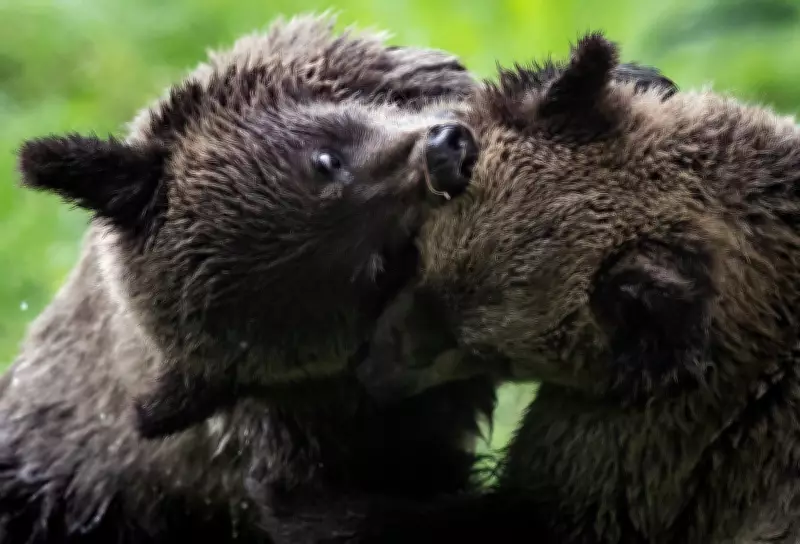
The Greater Vancouver Zoo in Aldergrove, B.C., has been a focal point for this activity, with two of three orphaned grizzly bear cubs observed playing on the premises. These cubs, which lost their mother, require careful supervision to ensure their survival and well-being in a controlled environment. Wildlife officials emphasize that such monitoring is essential to track their development and mitigate risks.
Conservationists are leveraging this opportunity to study bear behavior and habitat use, collecting data that can inform broader wildlife management strategies. The emergence of these cubs coincides with spring, a time when bears across the province become more active, searching for food and establishing territories.

Broader Implications for Bear Conservation
This event underscores the ongoing challenges in grizzly bear conservation, particularly for orphaned individuals who face higher mortality rates without maternal care. Increased human-bear interactions in urban and rural areas necessitate proactive measures, including public education on bear safety and habitat preservation.
Wildlife agencies in B.C. are ramping up efforts to monitor not only these cubs but also other bear populations, using techniques such as:
- Remote camera surveillance
- GPS tracking collars
- Community reporting systems
These initiatives aim to reduce conflicts and support the long-term recovery of grizzly bear species, which are considered a keystone in the ecosystem.
Looking Ahead: Sustainable Coexistence
As the cubs continue to grow, their progress will be closely followed by zoologists and conservationists. The data gathered during this monitoring period will contribute to scientific research on bear ecology and inform policy decisions regarding wildlife protection in British Columbia.
Public engagement is also a key component, with events like this raising awareness about the importance of preserving natural habitats and respecting wildlife boundaries. By fostering a collaborative approach between authorities, researchers, and communities, B.C. aims to ensure a sustainable future for its grizzly bear populations.