Conservation organizations in British Columbia are raising the alarm that constructing a new bitumen pipeline from Alberta to a proposed marine terminal at Roberts Bank in the Lower Mainland would be just as controversial as any project on the province's North Coast.
Alberta's Pipeline Options and Environmental Concerns
Alberta is currently evaluating the technical details of three potential pipeline routes to tidewater, including one terminating at Roberts Bank in Delta. This southern route is seen by some as a way to circumvent the federal moratorium on oil tanker traffic along B.C.'s North Coast. The province is developing its proposal under a framework agreement signed with the federal government in November.
However, environmental advocates contend that adding a new terminal at Roberts Bank would impose another layer of industrial impact on an already sensitive and stressed ecosystem. Margot Venton, a lawyer and director of nature programs at Ecojustice, emphasized the existing pressures on the area. "There's lots of concerns about how stressed the Roberts Bank area already is," Venton stated. "To add another major piece of infrastructure there seems like it could push both salmon and whales past a point of no return."

Cumulative Impacts on Endangered Species
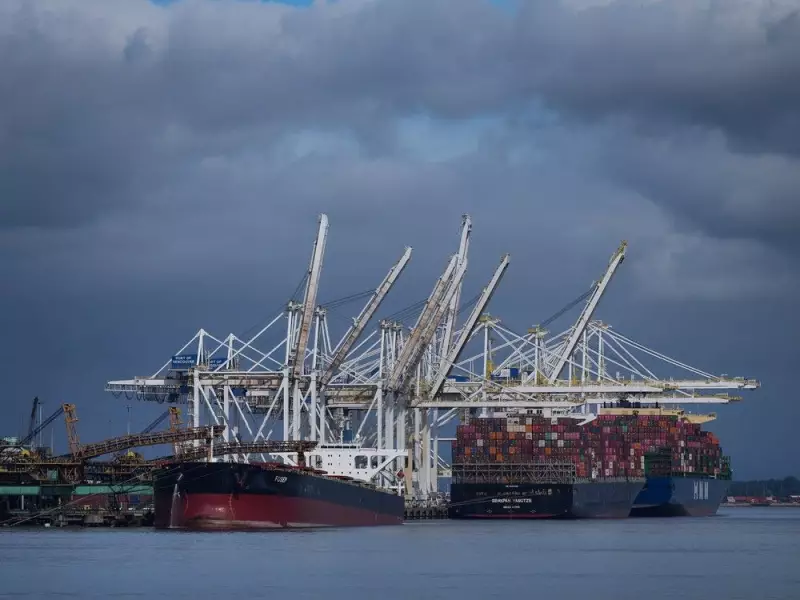
The primary concern revolves around the cumulative effects on the habitat of the endangered southern resident killer whale. The Port of Vancouver's $3.5 billion Roberts Bank Terminal 2 project, approved in 2023 to double container capacity at Deltaport, already acknowledged it would cause "adverse residual and cumulative effects" on juvenile chinook salmon and these iconic orcas. Adult chinook are the whales' primary food source.
Venton questioned whether any new major development could comply with Canada's Species at Risk Act given these pre-existing impacts. Risks from current and approved port expansions that must be mitigated include increased underwater noise from ship traffic and the erosion of critical juvenile chinook salmon habitat.
Regulatory Context and Legal Challenges
The Roberts Bank Terminal 2 project survived a legal challenge in 2025 when a Federal Court judge dismissed an appeal by conservation groups. However, Venton notes that a new bitumen terminal proposal would face the same rigorous review process before the Impact Assessment Agency and confront identical environmental hurdles.
The political pathway for the pipeline was established in the November agreement between Alberta and Ottawa. The deal allows Alberta to submit a proposal for a new pipeline—with a capacity of up to one million barrels per day—to the federal Major Projects Office for potential fast-tracking under Prime Minister Mark Carney's Build Canada Act. Alberta Premier Danielle Smith has indicated her province's preference remains a route to the North Coast, to either Kitimat or Prince Rupert.
This unfolding debate sets the stage for a significant clash between energy infrastructure ambitions and critical species protection, with the fragile ecosystem of the Salish Sea at the center of the conflict.