British Columbia Sees Significant Decline in Black Bear Fatalities
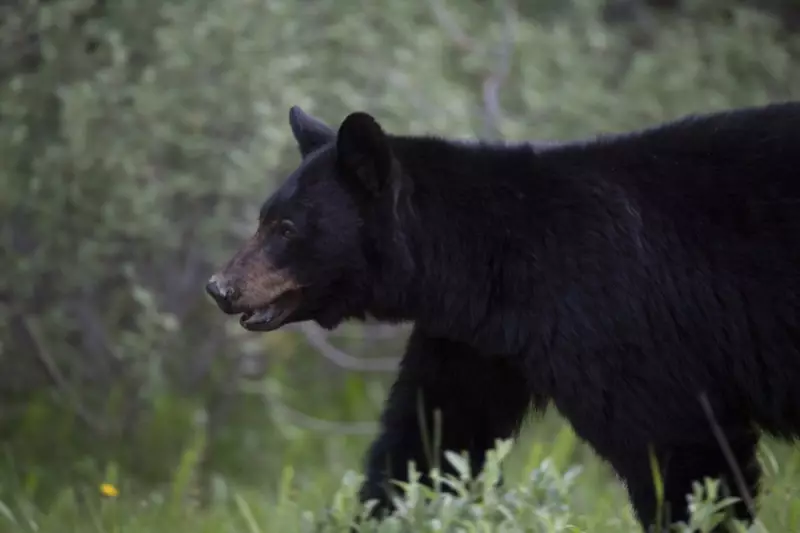
Conservation officers in British Columbia have reported a notable and encouraging trend: the number of black bears killed in the province last year was lower than at any point in the past decade. This development highlights the effectiveness of ongoing wildlife management efforts and public education campaigns aimed at reducing human-bear conflicts across the region.
Decade-Low Numbers Reflect Improved Strategies
The data, released by conservation authorities, indicates a substantial reduction in bear fatalities compared to previous years. This decline is attributed to several key factors, including enhanced community outreach, better waste management practices, and more proactive intervention techniques by officers. By focusing on prevention rather than reaction, officials have been able to mitigate dangerous encounters before they escalate, ultimately saving more bear lives.
Improved public awareness has played a crucial role in this positive shift. Residents in bear-prone areas are increasingly adopting measures such as securing garbage bins, removing attractants like bird feeders, and reporting sightings promptly. These actions help keep bears wild and away from urban settings, reducing the likelihood of confrontations that could lead to lethal outcomes.

Conservation Efforts and Future Outlook
Conservation officers emphasize that while this decline is a step in the right direction, continuous effort is necessary to maintain and build upon these gains. Long-term success depends on sustained collaboration between communities, government agencies, and conservation groups. Programs that promote coexistence, such as bear-smart initiatives and habitat protection, are essential for ensuring the stability of black bear populations in B.C.
Looking ahead, officials plan to expand these strategies to other regions and species, leveraging lessons learned from the black bear management successes. The goal is to foster a balanced ecosystem where wildlife can thrive without posing significant risks to human safety. This report serves as a reminder of the positive impact that dedicated conservation work can have on preserving Canada's natural heritage.