British Columbia's Biodiversity Protection Gap Leaves 48 Federally Endangered Species Unprotected
British Columbia's commitment to biodiversity conservation faces significant challenges as the provincial government's outdated Species at Risk list leaves numerous federally recognized endangered species without crucial habitat protection measures. According to wildlife experts, this regulatory gap creates substantial vulnerability for ecosystems across the province.
Outdated Protection Framework
The provincial government's Look West strategy aims to accelerate resource development with plans for four new mines, three natural gas projects, and eight renewable energy projects within the next six years. However, this development urgency hasn't been matched by corresponding efforts to protect British Columbia's increasing number of species at risk.
"Hundreds of species have been identified as threatened or endangered since 2006, yet it has been two full decades since the provincial government last updated B.C.'s Species at Risk list," explains conservation biologist Cori Lausen. "Few protections exist for wildlife in B.C. that aren't on this 'Noah's Ark' list."

The Regulatory Disconnect
The provincial list, governed by the Forest and Range Practices Act, determines which species qualify for habitat protection measures during timber harvesting and grazing operations. Despite provincial indications several years ago that this list would be expanded to align more closely with federal designations, the updated list has yet to receive official approval.
Currently, only 85 species appear on British Columbia's Species at Risk list, representing just a tiny fraction of the more than 1,600 species considered at risk within the province. This creates a significant protection gap where 48 species listed as endangered under the federal Species at Risk Act receive no provincial recognition or habitat safeguards.
Concrete Consequences for Biodiversity
Three bat species illustrate the real-world impacts of this regulatory delay. Two species were federally listed as endangered in 2014, while the hoary bat received endangered status in 2023 following severe population declines linked to wind energy mortality. Bats play critical ecological roles in controlling insect populations, including forest and agricultural pests, making their decline particularly concerning for already stressed ecosystems.
"As a bat biologist, I see these impacts firsthand in population monitoring and habitat assessments across the province," notes Lausen. "Bats are just one example of important biodiversity falling between the cracks in B.C."
Jurisdictional Limitations and Habitat Vulnerability
Many British Columbians may be surprised to learn that federal endangered species listings don't automatically translate to provincial habitat protection. In most cases, federal protection only applies to areas under federal jurisdiction, such as national parks, leaving species vulnerable across the majority of provincial lands.
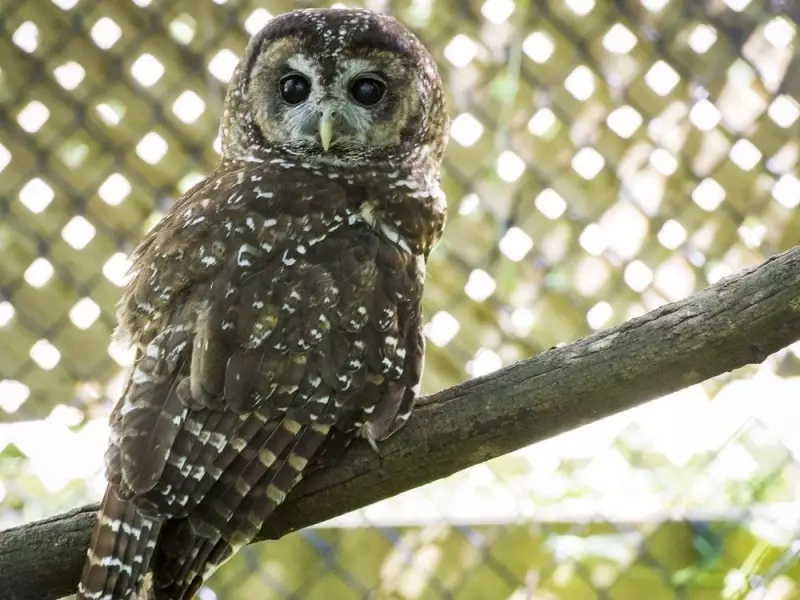
Decades of conservation science consistently demonstrate that habitat loss and degradation represent the primary drivers of species decline, with populations rarely recovering without strong habitat protection measures. The spotted owl serves as British Columbia's most prominent example of how species can be lost when habitat protection receives inadequate attention.
Delayed Implementation and Growing Costs
In 2017, the NDP government opted against implementing a dedicated provincial species at risk law, instead committing to develop a more comprehensive suite of biodiversity protection tools. However, progress has been minimal and implementation delays continue to mount.
For instance, in 2016, the province committed to creating best management practices to guide forestry operations in sustaining bat populations during timber harvest. Although drafted, this document remains unfinalized and unimplemented nearly a decade later. Conservation experts warn that each year of delay makes effective protection more difficult and costly to achieve.

The growing disconnect between federal endangered species designations and provincial protection mechanisms creates increasing vulnerability for British Columbia's biodiversity. As resource development accelerates under the Look West strategy, conservation advocates emphasize the urgent need for updated provincial protections that reflect current scientific understanding of species at risk.