Wildlife Expert Warns Many Animals Struggling as Winter Ends in Ontario
As winter draws to a close, a wildlife expert has issued a stark warning that many animals are barely holding on, facing severe challenges during this transitional period. The statement highlights the precarious state of various species as they emerge from the harsh winter months, with rehabilitation centers like the Procyon Wildlife Centre in Beeton, Ontario, stepping in to provide critical care.
Rehabilitation Efforts in Full Swing
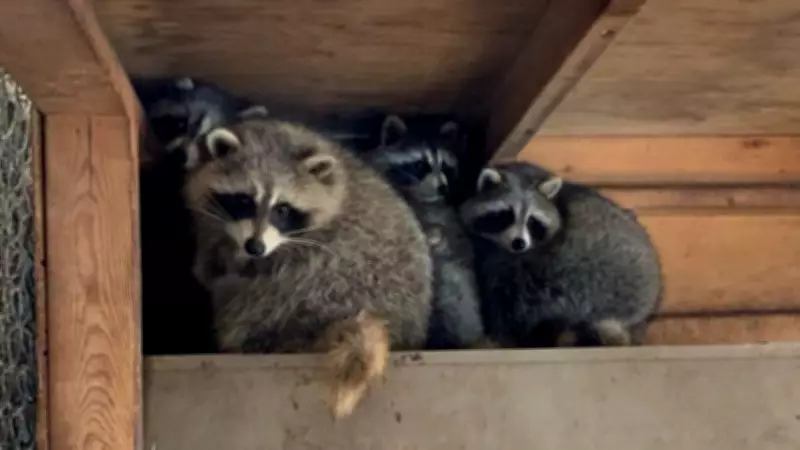
At the Procyon Wildlife Centre, a family of raccoons is currently undergoing rehabilitation, illustrating the ongoing efforts to support vulnerable wildlife. This center, among others, plays a vital role in rescuing and rehabilitating animals that have been weakened or injured by winter conditions, ensuring they have a chance to recover and thrive in the wild.
The expert emphasized that the end of winter is a particularly dangerous time for many species. With food sources still scarce and temperatures fluctuating, animals such as raccoons, birds, and small mammals are at increased risk of starvation, hypothermia, and predation. This period requires heightened vigilance from wildlife professionals and the public alike to report distressed animals and support conservation initiatives.

Broader Implications for Wildlife Conservation
This situation underscores the broader challenges facing wildlife in Ontario and beyond, as climate change and habitat loss exacerbate seasonal stresses. Conservationists urge communities to take proactive steps, such as securing trash bins to prevent animal conflicts and planting native vegetation to provide natural food sources. Public awareness and involvement are crucial in mitigating the impacts on local ecosystems.
In response to these concerns, wildlife agencies are ramping up educational campaigns and rescue operations. They recommend that residents contact licensed rehabilitators if they encounter animals in distress, rather than attempting to handle them personally, to ensure both human and animal safety.
As spring approaches, the hope is that with continued support and intervention, these struggling animals can rebound and contribute to the biodiversity of the region. The expert's warning serves as a reminder of the delicate balance in nature and the importance of ongoing conservation efforts to protect wildlife year-round.