Alberta Wood Bison Calves Safely Relocated to Alaska in Major Conservation Move
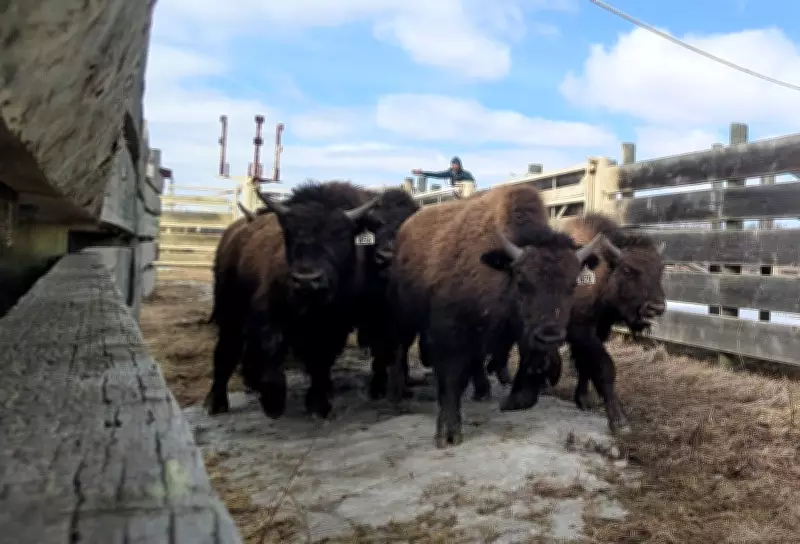
In a significant step for wildlife preservation, forty-four wood bison calves raised in Alberta have been successfully transported to Alaska this week. This relocation effort aims to bolster the population of this iconic species across North America, addressing long-term conservation goals.
Conservation Efforts at Elk Island National Park
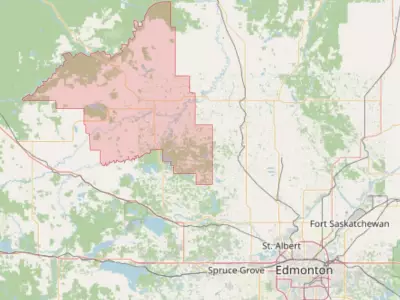
The wood bison calves originated from Elk Island National Park, located east of Edmonton, Alberta. This park has served as a critical habitat and breeding ground for the species, playing a key role in recovery programs. The relocation is part of a broader strategy to enhance genetic diversity and support the restoration of wood bison populations in their historical ranges.
Details of the Relocation Operation
The safe transfer of the calves involved careful planning and coordination between Canadian and Alaskan wildlife authorities. Experts ensured the animals' well-being throughout the journey, minimizing stress and health risks. This initiative reflects ongoing collaborations to protect endangered and threatened species through proactive measures.

Impact on North American Wildlife
Wood bison, the largest land mammal in North America, have faced challenges from habitat loss and historical overhunting. By relocating these calves to Alaska, conservationists hope to establish new herds and strengthen existing ones, contributing to ecosystem balance and biodiversity. This effort aligns with international conservation agreements and highlights the importance of cross-border partnerships in environmental stewardship.
Future Prospects for Wood Bison
As these calves adapt to their new environment in Alaska, monitoring will continue to assess their health and integration into local herds. Success in this relocation could pave the way for similar projects, reinforcing the role of protected areas like Elk Island National Park in global conservation networks. The move underscores a commitment to preserving natural heritage for future generations.