Regina city council has requested an informational report from administration on expediting the replacement of asbestos-cement (AC) pipes that deliver drinking water to households. The motion, presented by Ward 8 Coun. Shanon Zachidniak, seeks to determine the budget and resources needed to replace 10, 15, or 20 kilometres of AC pipes annually over the next five years.
Current replacement pace
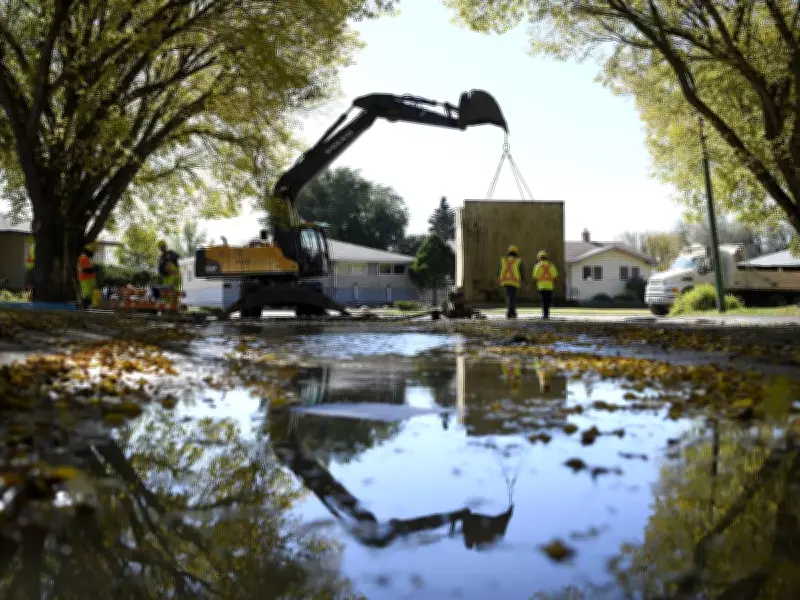
Currently, the city targets replacing 10 kilometres of AC water mains per year but has only managed seven to nine kilometres annually. At this rate, the project covering approximately 581 kilometres of AC pipes is expected to take 50 to 60 years. Since 2010, crews have rehabilitated about 70 kilometres using a cured-in-place liner method, extending pipe lifespan, and replaced about two kilometres per year via open-cut methods. An additional 8.7 kilometres are scheduled for 2026.
Concerns over emergency repairs
Zachidniak highlighted that AC pipes account for about 60 per cent of the city's 1,000-kilometre water main network and are responsible for most water main breaks. “We know we're spending a lot of money on emergency repairs for asbestos-cement pipes, and that is my concern,” she said. “If we could save on repairs and invest that in expediting replacements, that seems like a better use of our money to me.”

Local advocate Julian Branch supported accelerating the replacement, citing potential health risks from asbestos contamination during breaks. He noted that over 2,470 AC pipes broke in Regina between 2010 and 2022, according to city reports. “It's the most common type of pipe that breaks in the City of Regina,” he said. “We can expect more of this as the pipes continue to age, deteriorate and break. We can no longer afford to ignore this issue.”
Health Canada, which sets water quality guidelines for Regina, does not currently regulate asbestos in drinking water, stating there is “no consistent, convincing evidence that asbestos ingested through drinking water is harmful.” City council voted unanimously to commission the report, which is expected in the fall.