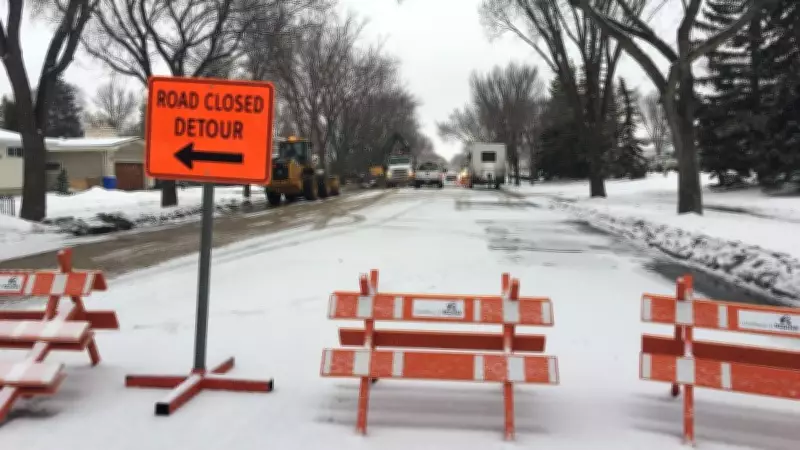
Regina city council has taken a significant step toward modernizing the city's aging water infrastructure by passing a motion to investigate the accelerated replacement of asbestos-cement water pipes. The decision, announced on April 24, 2026, reflects growing concerns over the safety and reliability of these pipes, which have been in use for decades.
Motion Details
The motion, introduced by city council, directs staff to explore options for expediting the renewal of asbestos-cement water mains. These pipes, commonly installed between the 1940s and 1970s, have been linked to potential health risks due to asbestos fibers and are prone to breakage. Council members emphasized the need for a proactive approach to prevent future water main failures and ensure clean water delivery.
Background on Asbestos-Cement Pipes
Asbestos-cement pipes were widely used in North America for water distribution because of their durability and low cost. However, as they age, they can deteriorate, releasing asbestos fibers into the water supply. While health officials note that the risk is generally low, long-term exposure to asbestos is associated with serious diseases, including lung cancer and mesothelioma. Regina's infrastructure assessment has identified numerous pipes nearing the end of their lifespan.

Next Steps
The council has asked city staff to report back with a detailed plan, including cost estimates and timelines, for accelerating the replacement program. The report is expected to consider funding sources, such as federal and provincial grants, and prioritize areas with the oldest pipes. A public consultation process may also be initiated to gather community input.
Mayor Sandra Masters expressed support for the initiative, stating, "This is about protecting our residents and investing in the future of our city. We cannot afford to delay critical infrastructure upgrades." The motion passed with broad support, though some council members raised concerns about potential budget impacts.
Broader Context
Regina is not alone in facing this challenge. Many Canadian municipalities are grappling with aging asbestos-cement pipe networks. The move aligns with national trends toward infrastructure renewal, as cities seek to balance safety, cost, and environmental considerations. The city's water utility has already begun replacing some pipes, but the new motion aims to significantly accelerate the process.
Residents are encouraged to stay informed through city updates and to report any water quality concerns. The council's decision marks a proactive step toward ensuring long-term water safety and reliability for Regina's growing population.