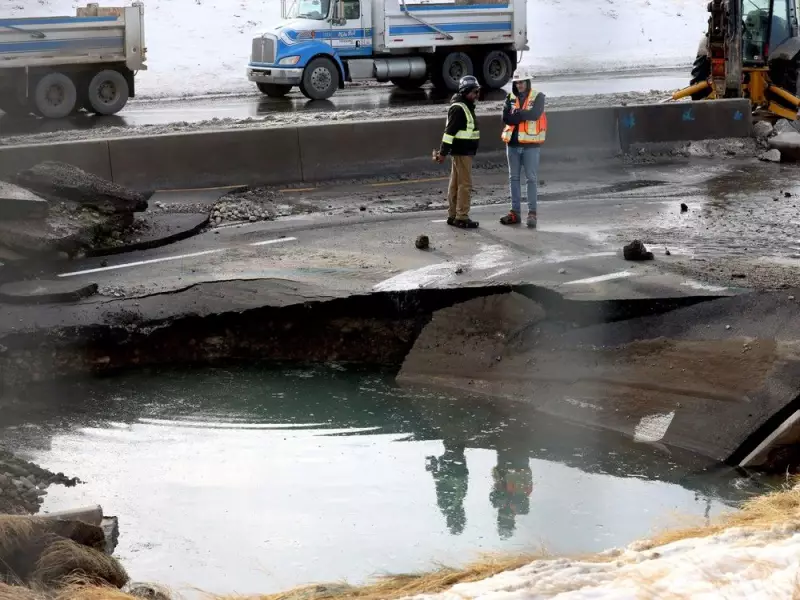
Canada possesses vast natural freshwater reserves, yet a pervasive sense of abundance has led to chronic national underinvestment in the critical systems that deliver this resource. This complacency is now meeting a harsh reality as aging pipes and treatment plants strain under growing populations across the country.
The High Cost of Neglect: A National Challenge
The breaking point for water infrastructure is becoming visible from coast to coast. Communities are grappling with the consequences of deferred maintenance, including outdated water mains, undersized facilities, and inadequate storage. The core issue lies underground, in the out-of-sight networks that fail silently until a catastrophic break occurs. Nationally, leaks account for roughly 17% of all treated drinking water, with losses soaring to 20-30% in some municipalities, representing a massive waste of energy and resources.
When systems fail, the emergency repair costs and service disruptions far exceed the price of steady, proactive investment. For decades, water utilities funded through general municipal budgets have often lost the funding battle to more visible and politically popular projects, creating a mounting liability.

Edmonton's Proactive Model: A Case Study in Sustainability
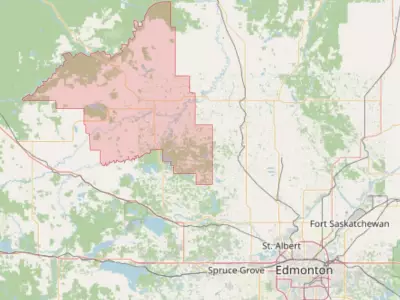
Edmonton presents a contrasting and more successful narrative. The city, through its public utility Epcor, has followed a different path since the 1980s. By committing to long-term, disciplined capital planning, over 80% of its annual water system investment is dedicated to renewing and replacing aging infrastructure before it fails.
This consistent commitment has yielded remarkable results. Epcor's water-loss rate sits near 5%, which is less than one-third of the national average. This efficiency conserves water, reduces treatment costs, and minimizes disruptive emergencies.
The Funding Formula for Future-Proof Water
The cornerstone of Edmonton's approach is a straightforward but crucial principle: utility rates must reflect the true, full cost of service. This includes the expenses of building, operating, maintaining, and renewing water and wastewater systems. Crucially, these dedicated funds remain within the utility, insulating them from competing budgetary demands.
This model achieves two key goals. First, it ensures a reliable revenue stream for the essential, ongoing work of infrastructure stewardship. Second, it sends a clear price signal to consumers about the value of water, which in itself encourages conservation and responsible use.
The lesson for other communities is clear. Treating water infrastructure as a perpetual, long-term enterprise—rather than a political line item—is the only way to secure a resilient and sustainable system for future generations. The alternative is a cycle of crisis management, higher costs, and unreliable service.