The Capital Regional District (CRD) has launched a detailed waste audit across Vancouver Island communities, putting garbage, recycling, and compost under the microscope to track disposal habits. The audit aims to provide a clearer picture of what residents are throwing away and how effectively materials are being diverted from landfills.
What the audit involves
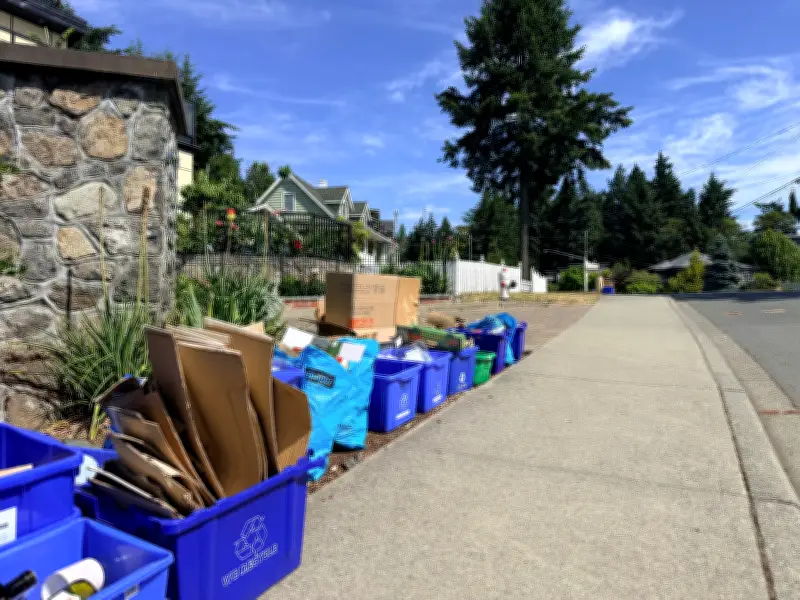
Starting this week, CRD crews will collect and sort samples from residential curbside bins in multiple municipalities, including Victoria, Saanich, and Langford. The process involves manually separating waste into categories such as food scraps, plastics, paper, and metals. Each sample is weighed and recorded to build a dataset on regional disposal patterns.
According to the CRD, the audit will cover approximately 1,200 households over the next month. The last comprehensive audit was conducted in 2019, and the new data will help measure progress toward the region's waste reduction targets.

Why the audit matters
The CRD has set a goal to divert 90% of solid waste from landfills by 2030. Currently, the diversion rate stands at around 65%. The audit will identify which materials are still being sent to landfills and where contamination in recycling and compost bins is highest. “This audit is essential for understanding how well our programs are working and where we need to improve,” said a CRD spokesperson.
Early findings indicate that food waste remains a significant issue, with an estimated 40% of household garbage consisting of organic materials that could be composted. Contamination in blue bins—such as plastic bags mixed with paper—also continues to challenge recycling processors.
Residents are encouraged to participate by placing their bins out as usual on collection days. The CRD assures that all data is anonymized and used solely for planning purposes. Results from the audit are expected to be published later this fall.