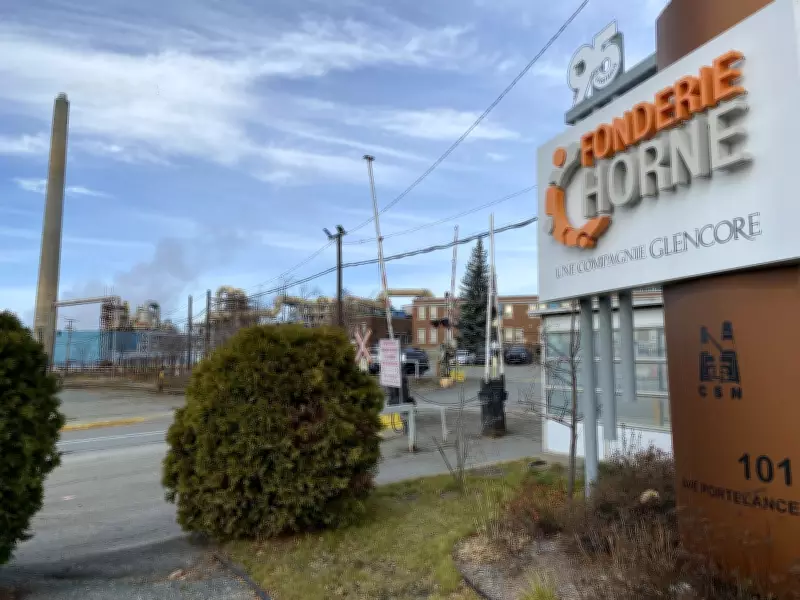
Arsenic Emissions Rise at Glencore's Horne Smelter
Newly released data indicates that arsenic emissions from the Horne Smelter, owned by Glencore in Rouyn-Noranda, Quebec, increased in 2025. The facility, which processes copper and precious metals, has long been a source of environmental concern for the surrounding community.
According to the company's annual environmental report, arsenic emissions rose by approximately 15% compared to the previous year, reaching 2.3 tonnes. This marks a reversal from recent efforts to reduce pollution at the site.
Health and Environmental Implications
Arsenic is a known carcinogen, and prolonged exposure can lead to serious health issues, including lung and skin cancer. Local advocacy groups have expressed alarm over the increase, calling for stricter regulatory oversight.

Glencore has stated that it is investing in new filtration technology to curb emissions, but critics argue that progress has been too slow. The Quebec government has pledged to monitor the situation closely.
Community Response
Residents of Rouyn-Noranda have voiced frustration, with many demanding that the smelter be shut down or relocated. Public health officials recommend limiting outdoor activities during periods of high smelter activity.
The company emphasizes that it is committed to meeting provincial environmental standards and plans to reduce emissions by 50% by 2030.