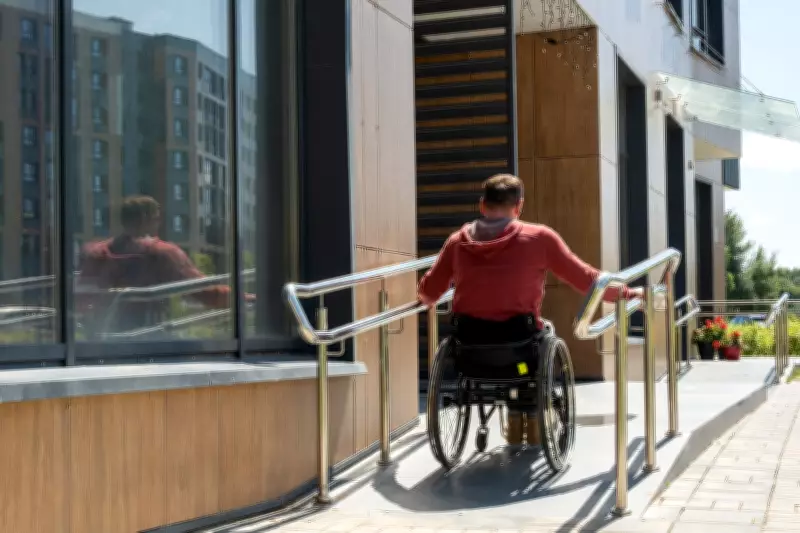
As National AccessAbility Week (NAAW) unfolds across Canada, the focus turns to the state of accessible housing in Ontario and its role in future communities. Dave Wilkes, President and CEO of the Building Industry and Land Development Association (BILD), highlights the growing need for barrier-free homes.
Rising Disability Rates Demand Action
According to a 2022 Statistics Canada study, 27 per cent of Canadians aged 15 or older—about 8 million people—have one or more disabilities limiting daily activities, up from 22 per cent in 2017. Furthermore, 72 per cent of individuals with disabilities reported experiencing at least one of 27 types of accessibility barriers. Over 55 per cent identified barriers in built infrastructure, such as entrances, exits, and sidewalks, as the most common.
Aging Population Adds Urgency
The number of Canadians aged 85 and older is projected to triple over the next two decades, intensifying the demand for accessible housing. The Accessible Canada Act, passed in 2019, aims for a barrier-free nation by 2040, making it critical to integrate accessibility into home design now.

Industry Efforts and Coalition
BILD has joined the Accelerating Accessibility Coalition (AAC), an award-winning group of real estate, building, and accessibility leaders. The AAC provides tools like the Accessibility Toolbox to support barrier-free home development. Wilkes emphasizes that creating awareness and advancing conversations around accessibility is essential for a changing Canada.
"Living in a home comfortably, accessibly, and free of barriers is part of the future our members are thinking about," Wilkes stated. He calls for a shared responsibility to ensure communities meet evolving needs.