Vancouver is introducing a splash of new colour to its waste management system. Starting in 2026, distinctive pink recycling bins will begin appearing in the city's condominium and apartment buildings. The initiative, led by Recycle B.C., aims to capture a specific and problematic waste stream: flexible plastics.
What Are the Pink Bins For?
The new bins are designated for a category of materials known as flexible plastics. This includes a wide range of everyday packaging that often ends up in landfills. Residents will be able to place items like plastic bags, bread bags, produce bags, and outer wrappings from products such as paper towels or diapers into these containers.
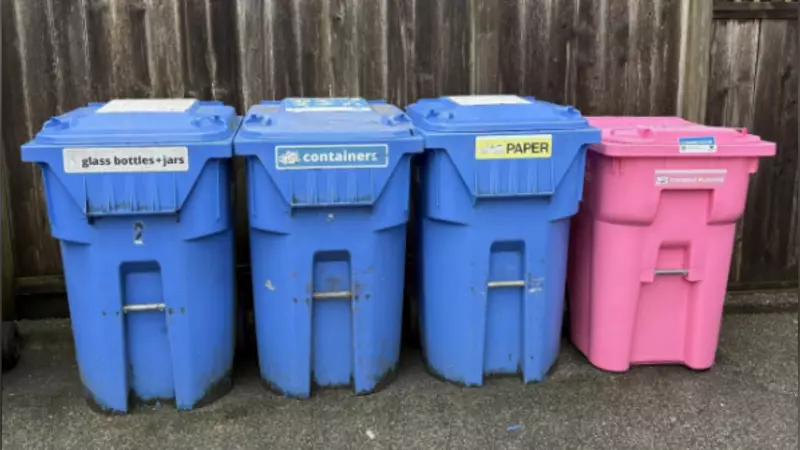
The program rollout is scheduled for January 2026, giving property managers and strata councils time to prepare. Recycle B.C. provided a photo of the new bins, which are clearly coloured to avoid confusion with existing blue bins for containers and paper or grey bins for garbage.

Expanding Recycling Access in Multi-Unit Dwellings
This move represents a significant step in making comprehensive recycling services equitable across all housing types. Historically, recycling programs for flexible plastics have been more accessible to residents of single-family homes who can use depot drop-offs or specific curbside programs.
By bringing a dedicated collection stream to multi-unit residential buildings (MURBs), Recycle B.C. is addressing a major gap. The goal is to divert thousands of tonnes of plastic film and soft packaging from landfills annually. This material can be recycled into new products, including new plastic bags and composite lumber.
How the Program Will Work and Its Importance
The implementation will require coordination between Recycle B.C., waste haulers, and building management. Residents will receive education on what belongs in the pink bin versus other streams. Proper sorting is crucial, as contamination can render entire loads of recyclables unusable.
This initiative is part of a broader push to improve British Columbia's recycling rates and reduce environmental impact. Flexible plastics are a common source of litter and can cause issues in marine environments. By creating a simple, dedicated collection system, the province hopes to make recycling these items a default habit for urban residents.
The success of the program in Vancouver could serve as a model for other municipalities across Canada grappling with similar challenges in dense urban housing. The January 2026 start date provides a clear timeline for this innovative approach to managing plastic waste.