The City of Ottawa has officially handed off responsibility for collecting residential recycling to the provincial program, but officials assure that this significant change will not result in any municipal job losses. The transition, which took effect on January 1, 2026, marks a new chapter for the city's waste management system.
Provincial Program Takes the Lead
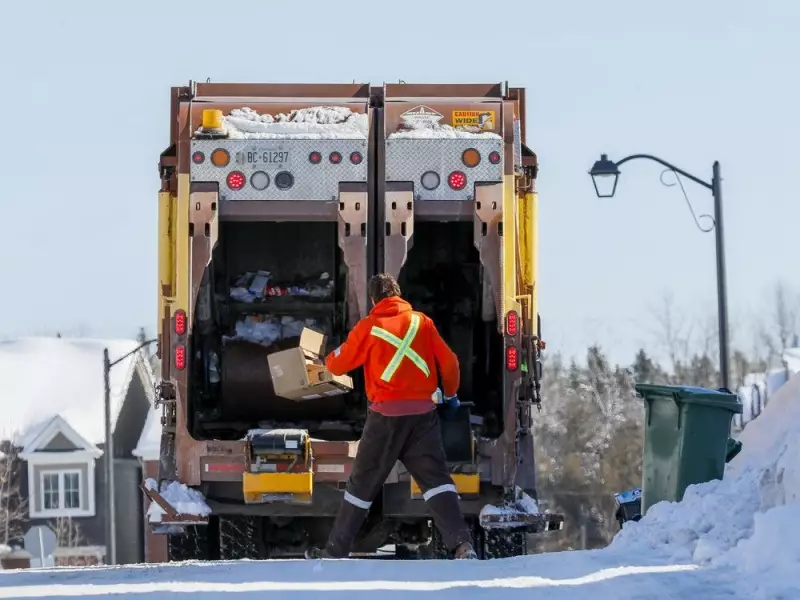
As of the new year, the organization Circular Materials and its contractor, Miller Waste Services, are now in charge of picking up recycling from the familiar blue and black bins at the curb for Ottawa homes. This move is part of an updated provincial initiative that also comes with a notable expansion of what residents can recycle.
The updated list now includes a wider range of items that were previously not accepted in the city's program. Key additions now eligible for the blue or black box include hot and cold beverage cups and toothpaste tubes, making it easier for residents to divert more waste from landfills.

City Workers Reassigned, Not Replaced
In a firm statement addressing potential workforce concerns, the city has guaranteed that the transition will be seamless for its employees. Andrea Gay Farley, the City of Ottawa's program manager of waste collections, programs and customer service, explicitly confirmed the job security.
"The City of Ottawa can confirm there will be no job losses as a result of the changes to recycling from the new provincial regulations," Gay Farley stated. This assurance provides stability for city workers amidst the operational overhaul.
New Focus: Small Businesses and Public Spaces
While the province handles residential pickup, City of Ottawa workers will not be left without duties. Their focus will now shift to services that fall outside the provincial program's scope. This includes continuing to collect recycling from small businesses registered under the city's yellow bag program and from public spaces like parks and municipal facilities.
"Moving forward, the city will use existing resources to combine recycling collection from small businesses and city facilities," Gay Farley explained. The city will also continue to cover the processing costs for recycling from these non-residential sources, ensuring continuity for local businesses and public area maintenance.
This strategic reassignment means the city's waste management expertise and personnel remain fully utilized, simply under a different set of responsibilities that complement the new provincial system.