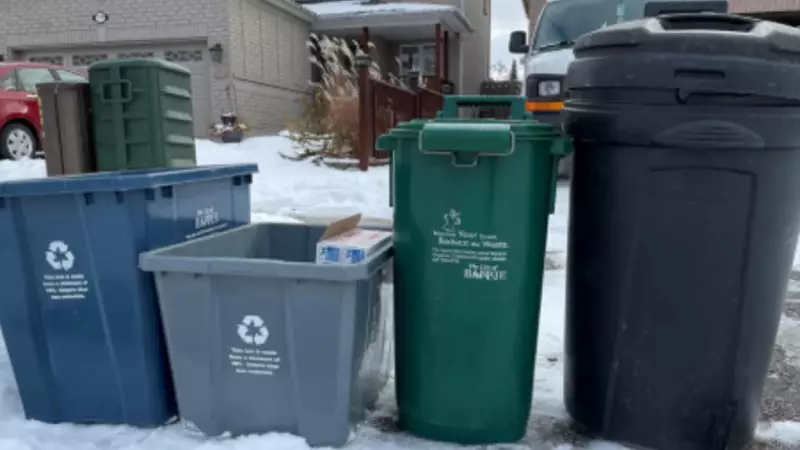
Residents across Ontario will need to pay closer attention to what goes in which bin as a significant shift in provincial recycling regulations takes effect on January 1, 2026. The changes represent a coordinated, province-wide effort to standardize and improve waste diversion, impacting municipal collection programs from Toronto to Thunder Bay.
What Is Changing in Your Blue, Green, and Garbage Bins?
The core of the update involves a standardized list of accepted materials for recycling and organics programs. The goal is to reduce contamination—when non-recyclable items are placed in the blue bin—which can spoil entire loads of otherwise recyclable material, sending them to landfill. While specific municipal guidelines may have minor variations, the provincial framework sets a new baseline.
Key adjustments often include clarifications on packaging types. For example, certain black plastics and specific types of flexible plastic films, which have historically caused sorting issues at facilities, may no longer be accepted in many curbside programs. Conversely, the list of accepted paper products and cardboard is being expanded in several regions.

For organics (green bin) programs, the rules are also being tightened to prevent plastic bags, even those labelled as compostable or biodegradable, from being used as liners in many municipalities. The emphasis is on using approved paper bags or layering with newsprint.
Implementation and Impact on Municipalities Like Barrie
The City of Barrie, like others in Simcoe County and beyond, is aligning its local bylaws and collection practices with these new provincial standards. This means residents should expect updated guidelines from their municipal waste management department, either via mail, social media, or the city's official website.
The shift is not merely administrative; it has tangible operational impacts. Sorting facilities are updating their machinery and processes to handle the revised material streams. The long-term objective is to increase the efficiency and economic viability of recycling, creating cleaner streams of materials that can be more easily sold and remanufactured into new products within a circular economy.
Why the Province-Wide Shift Matters for Ontario's Environment
This coordinated move is a critical step for Ontario to meet its broader waste reduction and diversion targets. By reducing contamination, the quality of recycled commodities improves, which in turn supports local recycling markets and reduces the province's reliance on landfills.
For the average household, the changes underscore the importance of "when in doubt, throw it out" or check the local guidelines. Putting a questionable item in the blue bin with the hope it gets recycled can now do more harm than good under the new system. Residents are encouraged to visit their city's waste management webpage or use the provincial "Waste Wizard" tool to look up specific items.
The January 1st implementation date provides a clean start for the new year, but municipalities will likely begin with an educational period before strict enforcement of the rules through potential tagging of non-compliant bins begins.