A battery recycling facility in the Montreal area is confronting a significant legal and environmental crisis after being accused of illegally discharging toxic waste into the St. Lawrence Seaway. According to court documents accessed by CTV News, the company now faces dozens of charges related to the alleged contamination of the vital waterway.
Allegations of Systematic Pollution
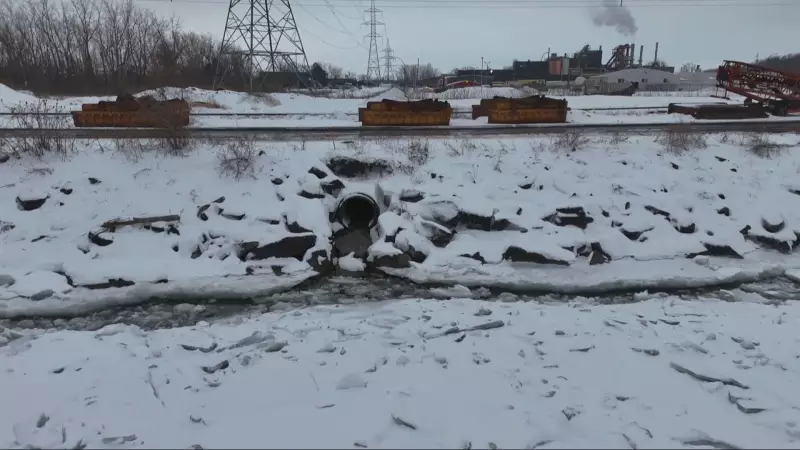
Inspectors allege that the facility's operational process generated hazardous wastewater. The central accusation, detailed in the court filings, is that this industrial wastewater was treated on-site and then deliberately diverted into a municipal storm sewer. This sewer system discharges directly into the South Shore canal, a critical component of the St. Lawrence Seaway.
The alleged actions bypassed proper environmental safeguards and introduced potentially dangerous chemicals into one of Canada's most important ecosystems. The St. Lawrence River is a source of drinking water, supports diverse wildlife, and is a cornerstone of regional economic activity, including shipping and tourism.

Legal Repercussions and Ongoing Investigation
The charges, which were formally filed based on evidence gathered by inspectors, represent a serious escalation in the case. While the exact number and nature of all charges are detailed in the court documents, they signify a substantial regulatory response to the alleged violations.
This case highlights the ongoing challenges of industrial waste management and the enforcement of environmental protection laws. Regulatory bodies are tasked with monitoring complex industrial processes to prevent exactly this type of incident, where pollutants enter natural waterways.
Broader Environmental Implications
The incident raises immediate concerns about the health of the St. Lawrence River's ecosystem. Toxic substances from battery recycling can include heavy metals and acidic compounds, which pose risks to aquatic life and can accumulate in the food chain.
Environmental advocates and community members will be watching the legal proceedings closely, as the outcome could set a precedent for how similar cases are handled in the future. The situation also underscores the importance of corporate accountability and robust oversight for industries handling dangerous materials.
As the case moves through the justice system, further details regarding the timeline of the alleged dumping, the specific toxins involved, and the potential environmental impact assessment are expected to emerge. The facility will have to answer to the charges in a Quebec court, with proceedings likely to unfold over the coming months.